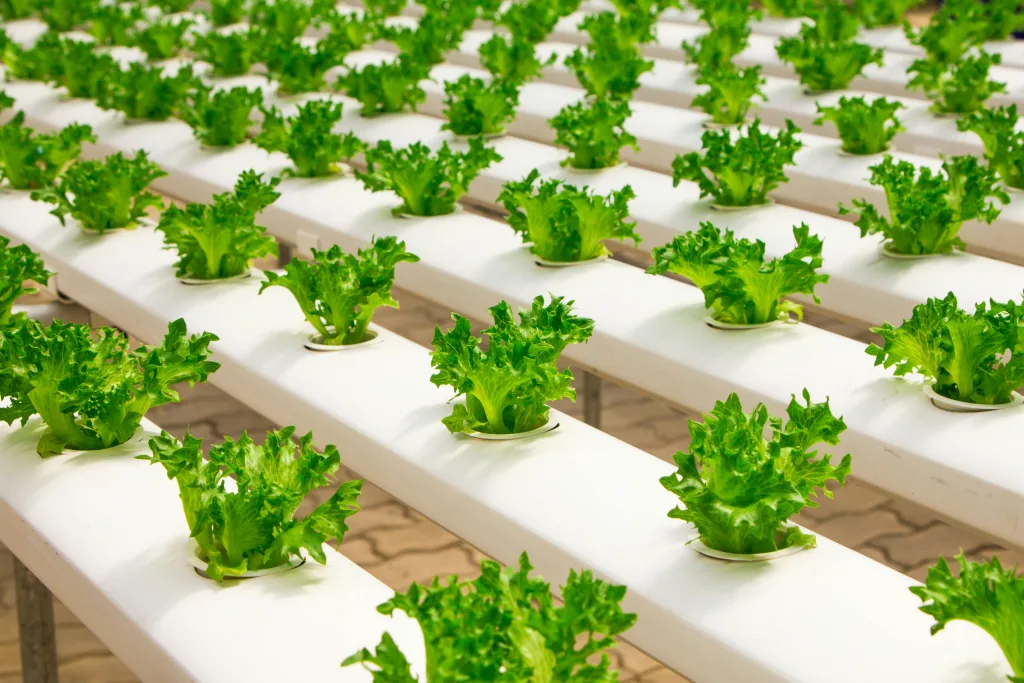
As technology continues to advance and become more integrated into our daily lives, the world of gardening is no exception. Smart gardening tools are revolutionizing the way we care for our plants, making it easier, more efficient, and enjoyable. In this post, we’ll explore the current state of smart gardening tools for home use, highlighting the technologies and tools available now, and what to look for in the future.
Current State of Smart Gardening Tools
Smart gardening tools have made significant progress in recent years, offering new solutions for gardening enthusiasts. However, the current state of these tools is still very much evolving, with many pros and cons to consider. On the plus side, smart gardening tools can provide real-time monitoring, automated tasks, and personalized advice, making gardening more efficient and enjoyable. Many smart gardening tools are designed with sustainability in mind, reducing water waste and promoting eco-friendly practices. This is now without some drawbacks to consider. As things stand today, many smart gardening tools operate in isolation, lacking seamless integration with other devices and systems. This can lead to a fragmented experience, with multiple apps and interfaces to navigate which we hate. Furthermore, some smart gardening tools can require significant upfront investment, and compatibility issues can arise when integrating with existing gardening infrastructure. Despite these challenges, the future of smart gardening tools holds immense promise. As investment and development continue, we can expect to see more comprehensive and integrated smart gardening systems.
Some current downfalls of smart gardening tools include:
- Limited compatibility and integration with other devices and systems
- Fragmented user experience with multiple apps and interfaces
- Significant upfront investment required for some tools
- Compatibility issues with existing gardening infrastructure
- Limited availability of certain smart gardening tools
However, with ongoing investment and development, we can expect to see:
- More comprehensive and integrated smart gardening systems
- Improved compatibility and seamless integration with other devices and systems
- Enhanced user experience with streamlined interfaces and apps
- Increased affordability and accessibility of smart gardening tools
- Expanded availability of smart gardening tools and features
Smart Watering Systems
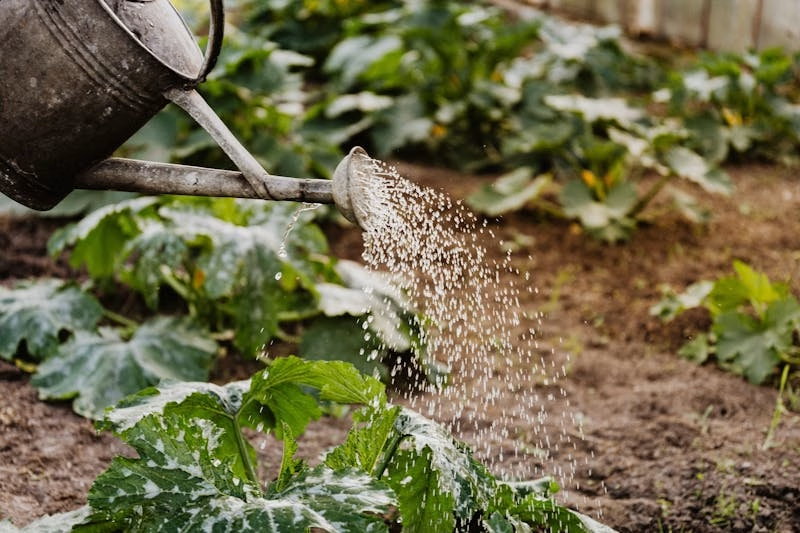
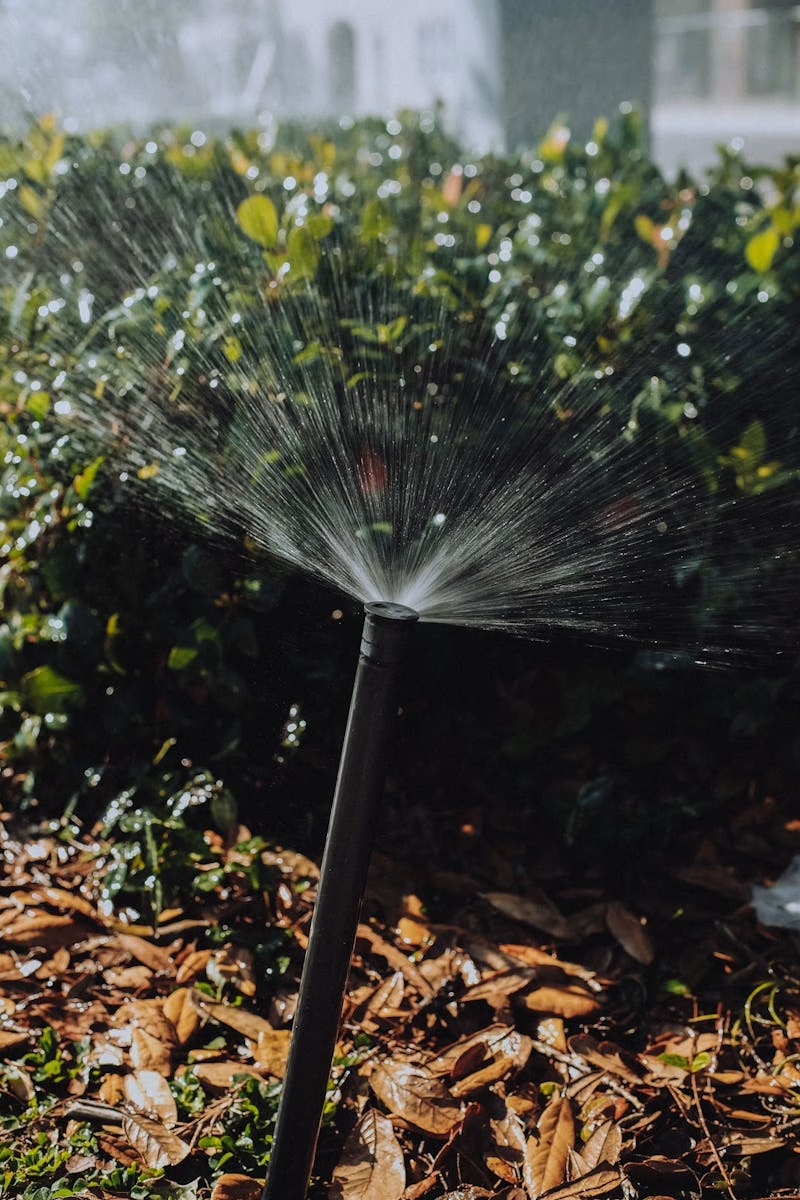
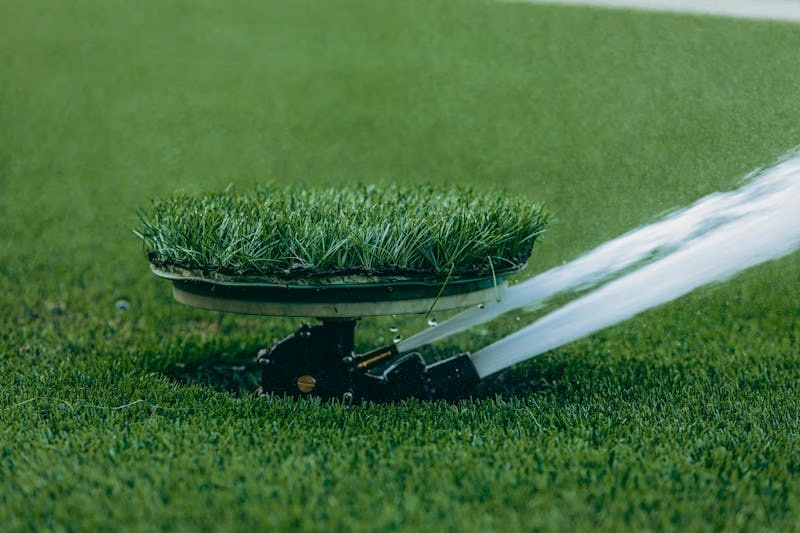

Smart watering systems are a crucial component of smart gardening, as they help optimize water usage, reduce waste, and ensure plants receive the right amount of moisture. These systems use advanced technologies like sensors, weather data, and machine learning algorithms to adjust watering schedules and amounts. Here are some key features and benefits of smart watering systems:
Key Features:
- Soil Moisture Sensors: These sensors detect the moisture levels in the soil, adjusting watering schedules accordingly.
- Weather Integration: Smart watering systems connect to weather services, adjusting watering schedules based on precipitation, temperature, and humidity.
- Machine Learning Algorithms: These algorithms learn your watering habits, plant types, and soil conditions, optimizing watering schedules over time.
- Remote Control and Scheduling: Smart watering systems can be controlled and scheduled remotely through mobile apps.
- Water Usage Tracking: These systems track water usage, providing insights into consumption and suggesting ways to reduce waste.
Benefits:
- Water Conservation: Smart watering systems reduce water waste by up to 50%, saving you money on your water bill.
- Healthy Plants: By providing optimal watering conditions, smart watering systems promote healthy plant growth and reduce the risk of overwatering or underwatering.
- Increased Efficiency: Smart watering systems automate watering tasks, saving you time and effort.
- Customization: These systems can be tailored to specific plant types, soil conditions, and weather patterns.
- Scalability: Smart watering systems can be expanded to cover large gardens or multiple zones.
Popular Smart Watering Systems:
- Rachio: Smart sprinkler controller that learns your watering schedule and adjusts for weather and soil conditions.
- RainMachine: Local-processing smart irrigation controller that uses real-time weather data and doesn’t require a cloud subscription. Works offline with on-device intelligence.
- Wyze Sprinkler Controller: Budget-friendly 8-zone smart controller with weather-based scheduling, app control, and voice assistant integration. A strong value pick at under $50.
- Orbit: System that uses weather data and soil sensors to optimize watering schedules.
Soil Sensors: Unlocking the Secrets of the Soil
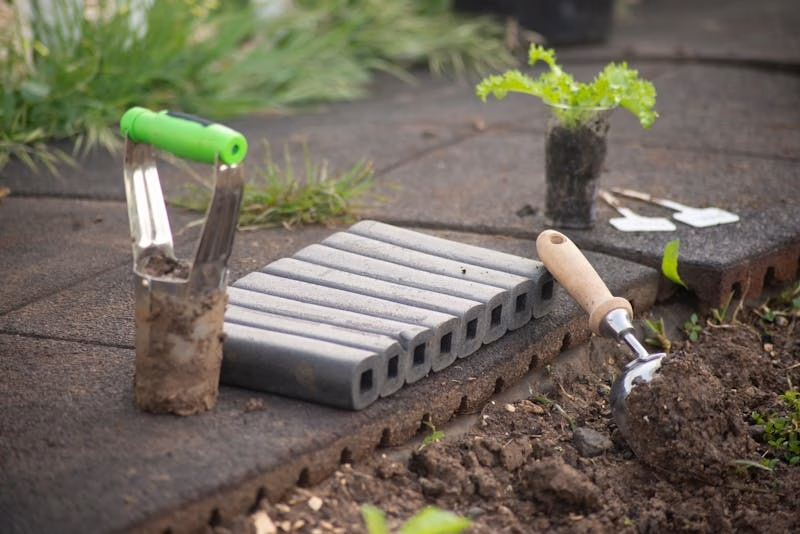
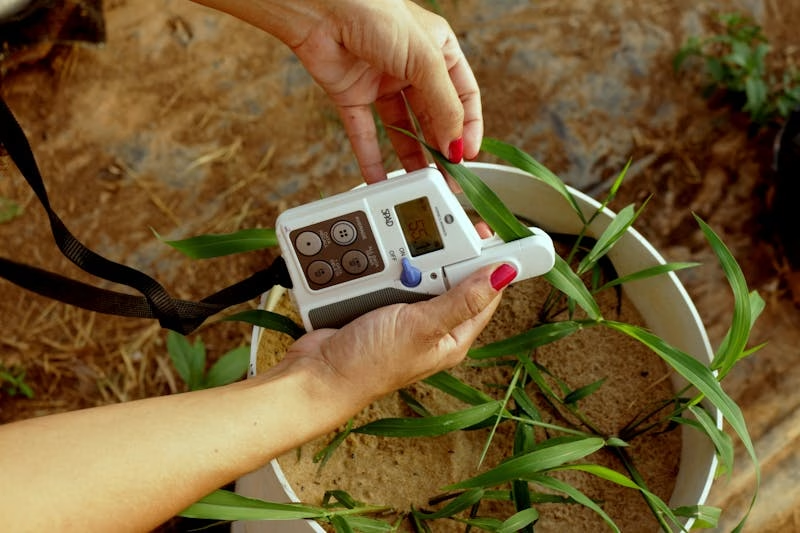
Soil sensors are a crucial component of smart gardening, providing valuable insights into the soil’s condition, composition, and health. These sensors measure various parameters, such as moisture, temperature, pH, and nutrient levels, to help gardeners optimize soil conditions for optimal plant growth. In this section, we’ll delve into the different types of soil sensors, their benefits, and how they can revolutionize your gardening experience.
Types of Soil Sensors:
- Moisture Sensors: Measure the water content in the soil, ensuring optimal watering schedules and preventing overwatering or underwatering.
- Soil Temperature Sensors: Monitor soil temperature, essential for seed germination, root growth, and microbial activity.
- pH Sensors: Determine the soil’s acidity or alkalinity, crucial for nutrient availability and plant growth.
- Nutrient Sensors: Measure nutrient levels, such as nitrogen, phosphorus, and potassium, to ensure optimal fertilization.
- Water Potential Sensors: Measure the soil’s water-holding capacity, helping gardeners optimize irrigation.
- Soil Electrical Conductivity (EC) Sensors: Measure the soil’s EC, indicating nutrient availability and water content.
- Oxygen Sensors: Monitor soil oxygen levels, essential for healthy root growth and microbial activity.
- Carbon Dioxide Sensors: Measure soil CO2 levels, influencing microbial activity and nutrient cycling.
- Nitrogen Sensors: Measure soil nitrogen levels, crucial for plant growth and development.
- Micronutrient Sensors: Measure essential micronutrients like iron, zinc, and copper, vital for plant health.
Benefits of Soil Sensors:
- Optimized Watering: Soil moisture sensors ensure optimal watering, reducing water waste and preventing overwatering.
- Improved Soil Health: Soil sensors help maintain optimal soil conditions, promoting healthy microbial activity and nutrient cycling.
- Increased Crop Yield: By optimizing soil conditions, soil sensors can lead to increased crop yields and healthier plants.
- Reduced Fertilizer Use: Soil nutrient sensors help gardeners apply the right amount of fertilizer, reducing waste and environmental impact.
- Early Pest and Disease Detection: Soil sensors can detect changes in soil conditions, indicating potential pest or disease issues.
- Data-Driven Gardening: Soil sensors provide valuable data, enabling gardeners to make informed decisions and refine their gardening techniques.
A Couple to Check Out:
- Soil Scout: Offers a range of soil sensors, including moisture, temperature, and nutrient sensors.
- Eden Works: Develops innovative soil sensors, including pH, EC, and water potential sensors.
Smart Gardening Assistants: Your Personal Gardening Coaches

Smart gardening assistants are AI-powered tools that provide personalized guidance, advice, and support to help you achieve gardening success. These virtual coaches use machine learning algorithms, data analytics, and expert knowledge to offer tailored recommendations, insights, and alerts, making gardening easier, more efficient, and enjoyable. In this section, we’ll explore the features, benefits, and popular options of smart gardening assistants.
Key Features of Smart Gardening Assistants:
- Personalized Gardening Plans: Receive customized gardening plans based on your location, climate, soil type, and plant selection.
- Real-time Weather Integration: Get alerts and advice on optimal watering, pruning, and pest management based on local weather conditions.
- Plant Identification and Care: Identify plants, access care guides, and receive specific advice on watering, fertilizing, and pruning.
- Pest and Disease Detection: Receive alerts and guidance on potential pest and disease issues, along with recommended organic and integrated pest management solutions.
- Reminders and Alerts: Stay on track with reminders for watering, fertilizing, pruning, and other essential gardening tasks.
- Gardening Analytics and Insights: Track your progress, monitor soil moisture and temperature, and gain valuable insights to refine your gardening techniques.
Benefits of Smart Gardening Assistants:
- Improved Gardening Skills: Receive expert guidance and advice to enhance your gardening knowledge and skills.
- Increased Efficiency: Streamline gardening tasks, reduce waste, and optimize resource allocation.
- Better Plant Health: Enjoy healthier plants with personalized care plans and real-time weather integration.
- Reduced Pesticide Use: Implement organic and integrated pest management solutions to minimize environmental impact.
- Community Support: Connect with fellow gardeners, share experiences, and learn from others.
- Data-Driven Gardening: Make informed decisions with valuable insights and analytics.
Popular Smart Gardening Assistants:
- Garden Plan Pro: Offers personalized gardening plans, real-time weather integration, and expert advice.
- Gardena: Provides plant identification, care guides, and gardening reminders, along with a community forum.
- GreenThumb: Develops AI-powered gardening assistants for optimal plant care and pest management.
- Garden Coach: Offers customized gardening plans, weather integration, and expert guidance.
- PlantSnap: Identifies plants, provides care guides, and offers gardening advice and reminders.
Automated Gardening Tools: Streamlining Gardening Tasks

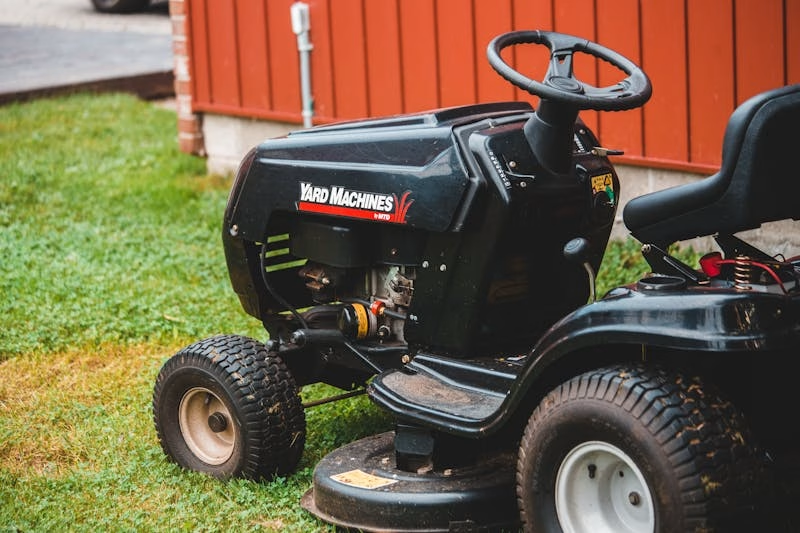
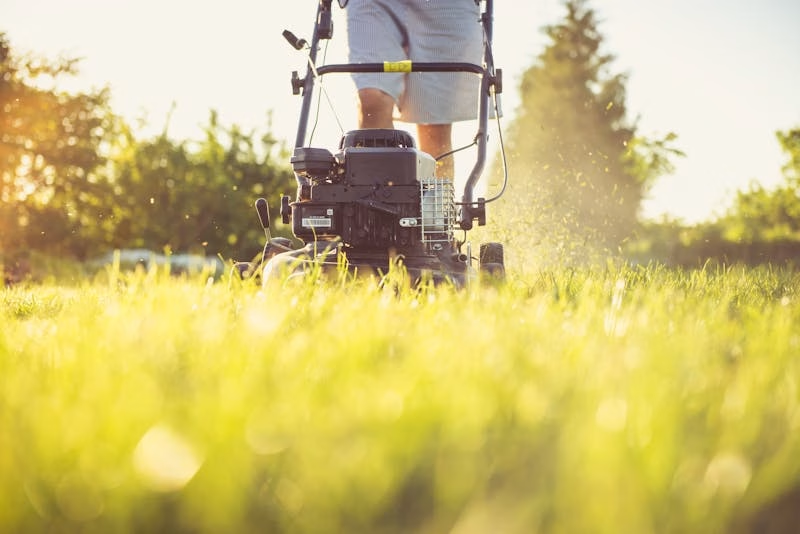
Automated gardening tools are innovative solutions that simplify and streamline various gardening tasks, saving time, effort, and resources. These tools utilize advanced technologies like robotics, artificial intelligence, and sensor systems to automate tasks such as pruning, watering, weeding, and monitoring. In this section, we’ll explore the benefits, types, and popular options of automated gardening tools.
Benefits of Automated Gardening Tools:
- Time-Saving: Automate repetitive and labor-intensive tasks, freeing up time for more enjoyable gardening activities.
- Increased Efficiency: Optimize gardening tasks, reducing water waste, and improving plant health.
- Improved Consistency: Ensure consistent watering, pruning, and monitoring, leading to healthier plants.
- Reduced Physical Strain: Minimize physical effort, making gardening more accessible for people with mobility issues.
- Enhanced Precision: Utilize advanced sensors and AI-powered algorithms for precise gardening tasks.
Types of Automated Gardening Tools:
- Automated Watering Systems: Smart irrigation systems that adjust watering schedules based on weather, soil moisture, and plant type.
- Robotic Lawn Mowers: Autonomous lawn mowers that navigate and cut grass with precision.
- Automated Pruning Tools: Robotic pruning systems that trim and shape plants with accuracy.
- Weeding Robots: AI-powered robots that detect and remove weeds, reducing chemical use.
- Gardening Drones: Aerial monitoring and planting systems for large-scale gardening and agriculture.
Popular Automated Gardening Tools:
- Husqvarna: Offers robotic lawn mowers and automated watering systems.
- GardenSpace: Develops AI-powered gardening tools, including automated pruning and weeding robots.
- GreenRobotics: Creates automated gardening systems, including watering and pruning tools.
- Mammotion Luba 2: RTK GPS-guided robotic mower with no perimeter wire required. Handles slopes up to 75% and multiple zones via app control.
- FarmBot: Develops open-source automated gardening tools, including watering and pruning systems.
Future of Smart Gardening Tools
The future of smart gardening tools holds immense promise, with technological advancements and innovative solutions transforming the gardening landscape. As we move forward, we can expect to see even more sophisticated and integrated smart gardening systems that make gardening easier, more efficient, and enjoyable.
Some critical highlights of the future of smart gardening tools include:
- Internet of Things (IoT) Connectivity: Smart gardening tools will increasingly connect to the IoT, enabling seamless communication between devices, real-time monitoring, and automated decision-making.
- Robotics and Automation: Robotic gardening tools will continue to evolve, tackling tasks like pruning, weeding, and planting with precision and efficiency.
- Augmented Reality (AR) and Virtual Reality (VR): AR and VR technologies will revolutionize gardening, enabling immersive experiences, virtual garden design, and interactive plant care.
- Artificial Intelligence (AI) Integration: AI-powered gardening assistants will become more prevalent, offering personalized gardening advice, predicting and preventing pest and disease issues, and optimizing gardening tasks.
- Sustainability and Environmental Focus: Smart gardening tools will prioritize sustainability, incorporating eco-friendly materials, reducing water consumption, and promoting organic gardening practices.
- Community Sharing and Collaboration: Smart gardening platforms will facilitate community sharing, allowing gardeners to exchange knowledge, resources, and best practices.
- Advanced Sensors and Monitoring: Next-generation sensors will provide real-time monitoring of soil moisture, temperature, and other vital parameters, ensuring optimal plant health and growth.
- Personalized Gardening Plans: AI-driven gardening plans will become more tailored to individual gardeners’ needs, incorporating factors like climate, soil type, and plant selection.
- Voice Assistant Integration: Smart gardening tools will integrate with popular voice assistants, enabling voice commands and hands-free control.
Conclusion
Smart gardening tools are transforming the way we care for our plants, making it easier, more efficient, and enjoyable. As technology continues to advance, we can expect to see even more innovative tools and technologies emerge. From AI-powered gardening assistants to smart greenhouses and robotics, the future of smart gardening tools is exciting and full of possibilities. Whether you’re a seasoned gardener or just starting out, there’s never been a better time to explore the world of smart gardening.
Best Smart Gardening Tools Compared (2026)
Ready to start building your smart garden? Here are the top products across each category, tested and reviewed for reliability, app experience, and actual garden results.
| Product | Category | Works With | Price | Rating |
|---|---|---|---|---|
| Rachio 3 Smart Sprinkler Controller | Watering | Alexa, Google, HomeKit | $230 | 4.7/5 |
| Husqvarna Automower 415X | Robotic Mower | Automower Connect app | $2,000 | 4.5/5 |
| ECOWITT Soil Moisture Sensor | Soil Monitoring | ECOWITT app, Wi-Fi | $16 | 4.3/5 |
| AeroGarden Harvest Elite | Indoor Garden | Standalone (Wi-Fi model avail.) | $150 | 4.6/5 |
| Orbit B-hyve XR Smart Sprinkler | Budget Watering | Alexa, Google | $100 | 4.4/5 |
Best starting point: If you’re new to smart gardening, the Rachio 3 is the best investment you can make. Automated watering based on real weather data saves both water and money, and it’s the one smart garden device that genuinely pays for itself. For indoor herb growing, the AeroGarden Harvest Elite is a set-it-and-forget-it solution — check out our best indoor gardens review for more options.
Frequently Asked Questions
Are robotic lawn mowers worth the investment?
For yards under half an acre, robotic mowers are increasingly worth it — especially if you value time over money. They run quietly, operate on a schedule, and keep your lawn consistently trimmed without any effort. The upfront cost is high ($800-$2,000+), but you’ll save on gas, maintenance, and the 30-60 minutes per week you’d spend mowing. For larger properties, the ROI improves even more.
Can smart irrigation systems really save water?
Yes — significantly. The EPA estimates that smart irrigation controllers can reduce outdoor water use by 20-50% compared to traditional timer-based systems. The Rachio 3 uses real-time weather data and hyperlocal forecasts to skip watering before rain and adjust schedules based on temperature, wind, and humidity. Over a full growing season, that adds up to substantial water and cost savings.
Do I need Wi-Fi in my garden for smart tools to work?
Most smart garden devices need Wi-Fi at the controller location (usually near your home), not throughout the entire garden. Sprinkler controllers like the Rachio mount near your existing irrigation valves and connect to your home Wi-Fi. Soil sensors typically use low-power radio (not Wi-Fi) to communicate with a base station indoors. If Wi-Fi reach is an issue, see our Wi-Fi troubleshooting guide for mesh solutions.
Related Guides
- Ultimate Guide to Smart Garden Automation — our comprehensive companion guide
- Fresh Herbs Year-Round: The 3 Best Indoor Gardens
- Smart Outdoor Lighting: Beginner’s Guide — light up your garden too
- Best Smart Home Sensors for Automation — including outdoor sensors
- How to Set Up Smart Home Automation from Scratch



