Shopping for a home security system is its own special kind of misery. Every company swears it’s the best, half of them want to lock you into a multi-year contract, and the pricing is deliberately fuzzy so you can’t compare anything cleanly. So let’s cut through it. There are five systems worth your time in 2026, and once you know which kind of buyer you are, the choice basically makes itself.
One honest note: some links below are affiliate links. If you buy through one, Home Sync’d earns a small commission at no extra cost to you, and it never changes what I recommend.
Three Questions That Decide It For You
Before the brands, answer these three, because they eliminate most of the list before you’ve spent a dime.
DIY or professional install? DIY systems (SimpliSafe, Ring, Abode) you set up yourself in an afternoon with no tools and no contract. Professionally installed systems (Vivint, ADT) cost more and usually come with a contract, but someone else does the work and tunes it for you.
Professional monitoring or self-monitoring? With professional monitoring, a call center watches your alarms around the clock and dispatches police or fire when something trips. With self-monitoring, you get a phone alert and decide what to do yourself, usually for free. Pro monitoring runs roughly $20 to $60 a month depending on the company and how much you want, like cloud video storage and smart home automations.
How much does it need to plug into your smart home? If you want your alarm, cameras, lights, and locks all working as one, integration matters and some systems are far better at it than others. If you just want an alarm, you can ignore this entirely.
Answer those and you’re already pointed at one of the five below.
SimpliSafe: The Best Default for Most People
If you want one recommendation and no homework, it’s SimpliSafe. It’s DIY, so you peel-and-stick the sensors and set the base station up yourself in an afternoon, no drilling and no technician. Starter kits begin around $250 and scale up with however many door, window, and motion sensors your place needs. The thing that makes it the default, though, is the no-contract model: monitoring is optional, month-to-month, and affordable, so you can turn it on, pause it, or cancel it whenever you like without penalty.
It consistently rates at or near the top for actual burglary protection, which is the only job that ultimately matters, and the newer kit has solid cameras and a clean app. The honest con: its smart home integration is decent but not its strength, so if you’re an automation obsessive, see Abode below. For everyone else who just wants reliable coverage without a salesman in their living room, SimpliSafe is the easy, confident pick.
Ring: The Budget DIY Pick, If You’re Already in Amazon’s World
The Ring Alarm is the value play, and it makes the most sense if you already own a Ring doorbell or video camera, or live inside Alexa’s ecosystem. The hardware is genuinely cheap, it’s no-contract, setup is dead simple, and everything ties into your Echo speakers and displays without any fuss, so an alarm trip can flash your lights and announce itself on every screen in the house.
The trade-offs are the ones you’d expect from an Amazon-owned company. The privacy story is the weakest here, Ring has a documented history of data-sharing controversies, and the features people actually want, like recorded video and pro monitoring, sit behind a Ring Protect subscription. If those things don’t bother you and you’re already buying from Amazon anyway, the value is hard to argue with.
Abode: The One the Smart Home Crowd Loves
If integration is your priority, Abode is the enthusiast’s favorite for good reason. It’s affordable and no-contract like the others, but it plays nicest with the wider smart home: it works with Apple Home, Google, and Alexa, supports a huge range of third-party Z-Wave and Zigbee devices, and lets you build automations that treat security as part of the whole system rather than a walled-off island. Arm the alarm and it can lock the doors, drop the thermostat, and kill the lights in one move.
The equipment isn’t the flashiest on this list and the brand is smaller than the giants, so there’s a bit more tinkering involved. But if you want a security system that’s a real citizen of your smart home, Abode is the one. If you’re still choosing an ecosystem to build around, start with my smart home systems guide first.
Vivint: When You Want It Done For You
Vivint is the high end of the mainstream. A professional comes out, installs everything cleanly, and hands you a polished, deeply integrated system with excellent indoor, outdoor, and doorbell cameras plus genuinely slick smart home controls that all live in one well-built app. It’s the closest a mass-market system gets to the custom-install experience.
You pay for that in two ways. Expect at least a $600 hardware investment up front, and a multi-year monitoring contract unless you pay the equipment off entirely at the start. That’s the opposite of the SimpliSafe philosophy, and on purpose. If you’ve got a larger home, want zero DIY, and value a finished premium experience over saving money, Vivint earns its price. If you flinched at “$600 and a contract,” that flinch is your answer, and it’s pointing at SimpliSafe.
ADT: The Old Guard, Still Standing
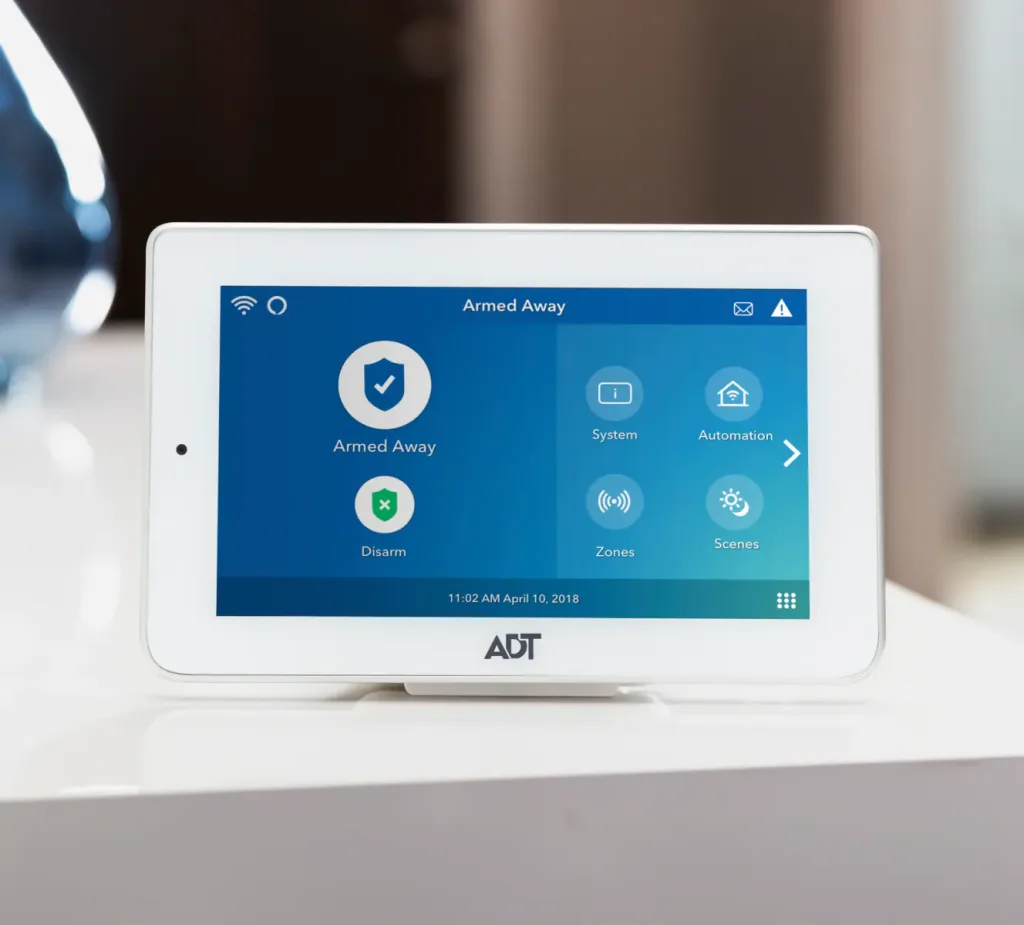
ADT has been protecting homes for over 150 years, and that track record is the entire pitch: rock-solid professional monitoring with one of the fastest, most established emergency-response networks in the business, now paired with Google Nest cameras and doorbells for the smart home side. Professional plans start around $49.99 a month, and installation is handled for you.
It’s the choice for people who want the reassurance of the biggest, most recognized name and a fully pro-installed, professionally-monitored system, and who care less about being on the technological cutting edge. The cons are predictable: it’s pricier over time than the DIY crowd, and contracts are typically part of the deal. Dependable rather than exciting, which for a thing whose job is to be there at 3 a.m. is often exactly what you want.
So Which One Should You Buy?
Plainly, because that’s the point of this site: most people should get SimpliSafe for no-contract, no-nonsense protection. Get Ring if you’re on a budget and already live in Alexa. Get Abode if deep smart home integration is the whole point. Get Vivint if you want a premium system installed for you and price isn’t the deciding factor. Get ADT if you want the old-guard name and bulletproof monitoring above all.
One rule across all of them: lean toward the no-contract options unless you have a specific reason not to, so a system you stop loving doesn’t keep quietly billing you for three years. If you’d rather skip monthly fees entirely, I rounded up the best no-monthly-fee setups here, and renters should start with my apartment security guide, since most of these can come with you when you move.



