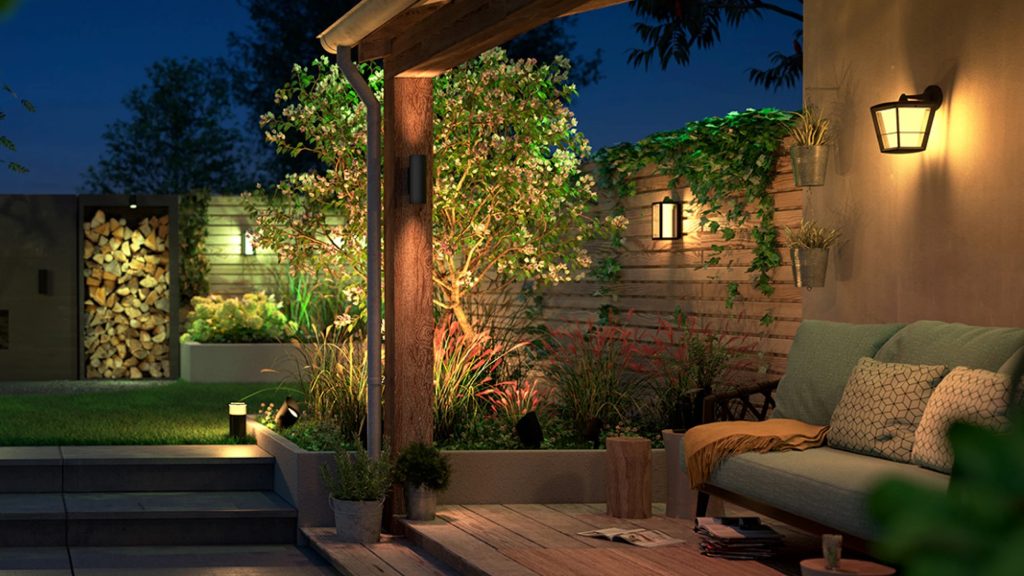
Your outdoor spaces deserve just as much attention as your indoor ones, especially when it comes to lighting. After spending countless evenings on my porch and hosting backyard gatherings, I’ve learned that the right outdoor lighting setup can completely transform how you use and enjoy your outdoor areas. The best part? With today’s smart lighting options, you can create an outdoor oasis that practically runs itself.
Why Smart Outdoor Lighting Makes Sense
Before diving into specific products and setups, let’s talk about why smart outdoor lighting is worth considering. Traditional outdoor lights require manual switching or basic timers that need constant adjustment. Smart lighting, on the other hand, adapts to your lifestyle and the changing seasons automatically.
I’ve been running smart outdoor lights for the past three years, and honestly, the convenience has been incredible. No more forgetting to turn off the porch lights in the morning or stumbling around in the dark because I forgot to turn them on. Plus, being able to control everything from my phone means I can adjust lighting from the comfort of my couch or even when I’m away from home.
More in Lighting:
Know Your Four Light Types Before You Spend a Dime
Outdoor smart lighting splits into four categories, and knowing which one solves your problem keeps you from buying the wrong gear.
Floodlights throw a wide beam and usually pair with motion sensors. Driveways, garage approaches, dark side yards. Path lights sit low along walkways; some even do a convincing candle flicker. Spotlights are focused accents for the stuff you want noticed: trees, stonework, the garden you actually weeded this year. String lights are the mood-setters for decks and pergolas, from warm Edison bulbs to full color for parties.
There is also a fork in how you make any of them smart. Smart bulbs and fixtures bring their own connectivity, while a smart switch makes your existing dumb fixtures schedulable in one move. If your porch and exterior fixtures are already wired and you like them, the switch route is cheaper and less fuss. More on that next, because it is exactly where I started.
The Foundation: Smart Switches for Existing Fixtures


One of the easiest ways to get started with smart outdoor lighting is by upgrading your existing fixtures with smart switches. This is exactly what I did with my porch lights, and I’m really happy with how it turned out.
My Lutron Caseta Setup
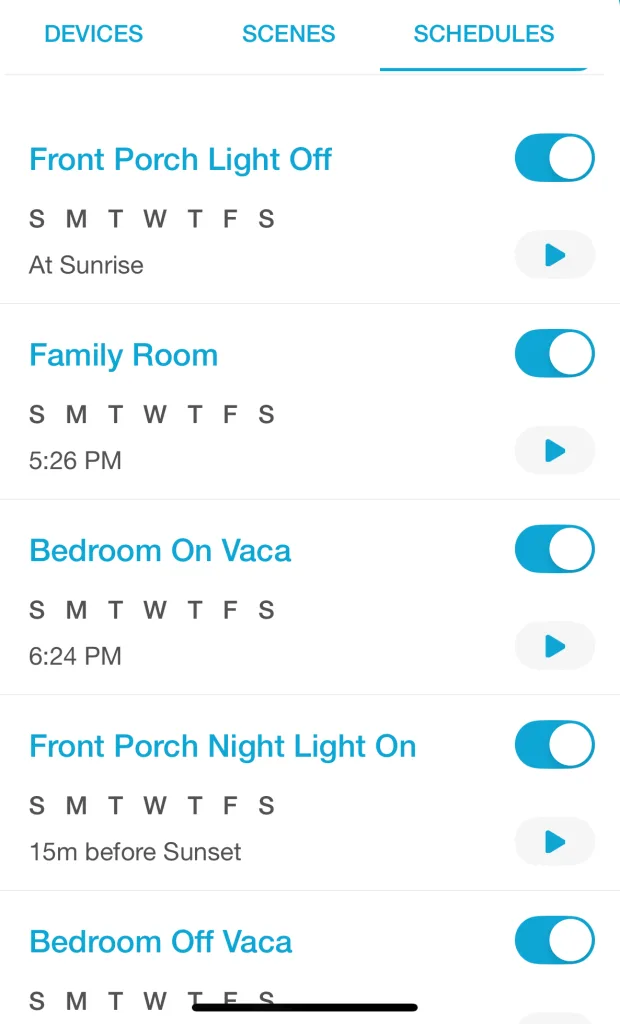
I installed Lutron Caseta switches for my front and back porch lights about two years ago, and they’ve been working flawlessly. What really sold me on Caseta was the sunset-to-sunrise scheduling feature. Unlike basic timers that need adjustment throughout the year, these switches automatically adjust based on your location’s actual sunset and sunrise times.
Here’s what makes this setup so practical: During summer, my porch lights might turn on at 8:30 PM and off at 5:30 AM. Come winter, they’re switching on at 4:30 PM and off at 7:00 AM. All without me touching a thing. The system knows when the sun sets and rises in my area and adjusts accordingly.
Setting up the Caseta switches does require some basic electrical work. If you’re comfortable replacing a light switch, you can handle this. Otherwise, an electrician can knock it out in under an hour. The switches work with existing wiring and don’t require a neutral wire, which is perfect for older homes.
The Lutron app is straightforward and reliable. You can create scenes, set schedules, and integrate with your smart home ecosystem. I have mine connected to HomeKit, so I can just say “Hey Siri, turn on the front porch lights” and it happens instantly. It’s one of those simple conveniences that you really appreciate once you have it.
String Lights: Setting the Mood



Nothing creates ambiance quite like string lights. They transform a basic patio or deck into an inviting outdoor room. The key is choosing smart string lights that offer both convenience and versatility.
Govee String Lights
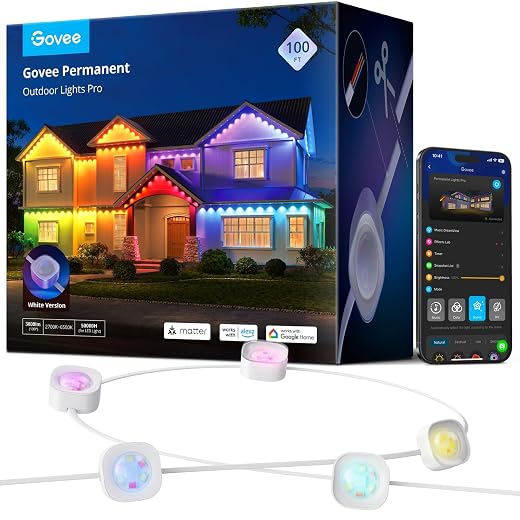
I’ve been using Govee’s smart string lights on my back deck, and they’ve really impressed me. These aren’t your basic warm white bulbs. Each bulb can display millions of colors and be controlled individually, which opens up all sorts of creative possibilities for holidays and parties.
What I appreciate most about the Govee lights is their practical features. The app includes dozens of preset scenes, from subtle color gradients to dynamic patterns. For everyday use, I stick with warm white at about 40% brightness. It creates the perfect atmosphere without being too bright or harsh.
The music sync feature has been surprisingly fun for outdoor gatherings. The lights pulse and change with whatever music you’re playing, creating an instant party atmosphere. My teenagers absolutely love this feature when they have friends over.
Installation was straightforward. The lights come with clips and guides for securing them along fences, pergolas, or roof lines. They’re also weather-resistant, handling rain and snow without any issues. Mine have been up for over a year through all seasons and still work great.
The Matter Revolution


As you explore smart string lights and other outdoor options, you’ll start seeing “Matter compatible” on more products. Matter is the new smart home standard that promises to make different brands work together seamlessly.
Think of Matter as a universal translator for smart home devices. Instead of needing separate apps for each brand or worrying about compatibility with your chosen ecosystem, Matter devices work with Apple HomeKit, Google Home, Amazon Alexa, and Samsung SmartThings right out of the box.
For outdoor lighting, this is particularly exciting. You could have Philips Hue spotlights, Nanoleaf string lights, and Eve motion sensors all working together in perfect harmony. While Matter-compatible outdoor lights are just starting to hit the market, they’re worth considering for future-proofing your setup.
Accent and Landscape Lighting



Beyond functional lighting, accent lights can highlight your home’s architecture and landscape features while adding layers to your outdoor lighting design.
Philips Hue Outdoor Options
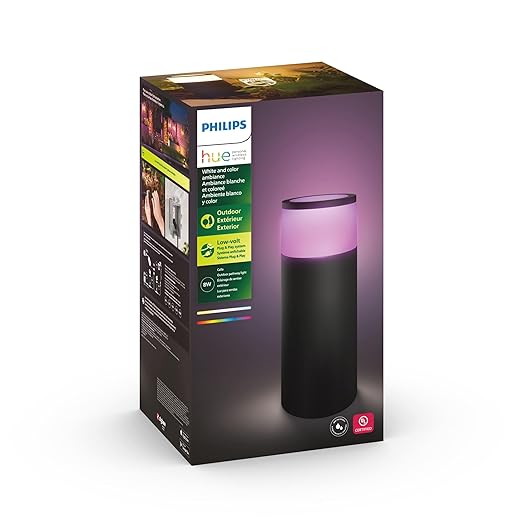
Philips Hue has expanded beyond indoor bulbs with an impressive outdoor lineup. Their Lily spotlights are perfect for highlighting trees, architectural features, or garden beds. I use a set of three to uplight the oak tree in my front yard, and the effect really is stunning.
What sets Hue apart is the color quality and integration. The lights produce rich, saturated colors when you want them, but also beautiful whites ranging from warm candlelight to cool daylight. The app includes pre-made scenes for different moods and occasions.
The Hue outdoor line also includes path lights, wall lights, and even light strips for under-rail or architectural accent lighting. Everything connects through the Hue Bridge, giving you centralized control and advanced features like geofencing (lights turn on when you arrive home) and vacation mode (random on/off patterns when you’re away).
Yes, Hue products carry a premium price tag, but the ecosystem’s reliability and extensive third-party support make them worthwhile for many homeowners. The lights have held up well to weather in my experience, and the warranty support has been solid when needed.
Solar-Powered Smart Options
For areas where running power isn’t practical, solar-powered smart lights are improving rapidly. While they can’t match the brightness or features of wired options, modern solar lights work well for path lighting and gentle accent illumination.
Ring’s smart solar lights integrate with their security ecosystem, allowing motion-activated lighting that works with their cameras and doorbells. The solar panels are efficient enough to keep the lights running through winter in most climates, though you might need to clean snow off occasionally.
Security Lighting: Smart Motion Detection

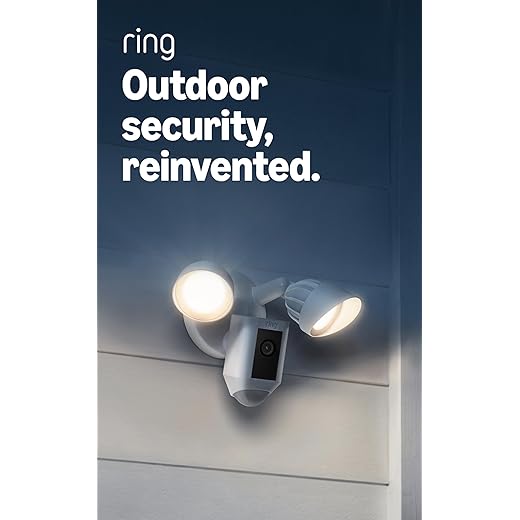
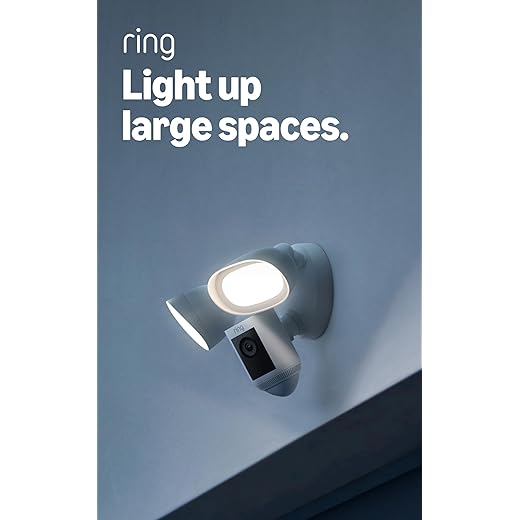
Outdoor security lighting serves a dual purpose: deterring unwanted visitors and providing safe passage for welcome ones. Smart security lights take this further with customizable detection zones, scheduling, and integration with other devices.
Motion Sensor Considerations
Traditional motion lights are often too sensitive or not sensitive enough. They’ll either ignore actual visitors or flash on every time a cat walks by. Smart motion lights solve this with adjustable sensitivity and detection zones.
I use a combination of smart floodlights and path lights with motion detection around my property. The key is setting up zones correctly. For example, my driveway lights ignore the sidewalk but trigger when someone approaches the front door. The backyard floods only activate for larger heat signatures, which keeps them from triggering every time a squirrel runs by.
Many smart security lights also include cameras, which might be overkill if you already have a security camera system. However, the combination can be convenient for areas where you want both features.
Integration with Security Systems
The real power of smart security lighting comes from integration. When my doorbell detects motion, it can trigger my porch lights to turn on through HomeKit, even though they’re on the Lutron system. This kind of cross-platform automation makes your entire system work together seamlessly.
You can create sophisticated automations like:
- Lights gradually brightening when you arrive home after dark
- All exterior lights flashing if a security camera detects unusual activity
- Path lights turning on sequentially as you walk to the door
- Automatic dimming after a certain time to maintain ambiance while saving energy
Putting It All Together


Creating a cohesive outdoor lighting system doesn’t mean buying everything from one brand. Thanks to smart home platforms and emerging standards like Matter, you can mix and match to get exactly what you need.
Here’s how I approach outdoor lighting zones:
Entry areas: Bright, reliable lighting on smart switches with sunset/sunrise scheduling. This is where I use my Lutron Caseta switches with traditional fixtures.
Entertainment spaces: Flexible mood lighting with color options. String lights work perfectly here, whether from Govee or other smart brands.
Pathways and gardens: Subtle accent lighting that enhances without overwhelming. Solar options work well for distant areas, while wired Hue lights handle featured spots.
Security zones: Motion-activated bright lighting with smart detection. Integration with cameras and alerts adds an extra layer of protection.
Practical Installation Tips
From my experience installing various outdoor smart lights, here are some practical tips:
Start simple: Begin with one area or type of lighting. Get comfortable with the setup and app before expanding. I started with just my porch lights and built from there.
Check your Wi-Fi coverage: Most smart outdoor lights need a decent Wi-Fi signal. Consider adding an outdoor access point or mesh node if needed. Trust me, there’s nothing more frustrating than lights that constantly disconnect.
Plan for weather: Even “weatherproof” devices have limits. Mount lights under eaves when possible, and ensure all connections are properly sealed. Use outdoor-rated extension cords and outlets.
Think about maintenance: Lights mounted high on your house look great but are a pain to reset or troubleshoot. Keep accessibility in mind during installation.
Group logically: Whether in apps or voice assistants, group lights by area or function. “Front yard,” “back patio,” and “security” make more sense than trying to remember individual device names.
Making the Investment
The outdoor smart lighting space is evolving quickly, and that’s good news for homeowners. Matter compatibility is becoming standard, which means building a system that works together is getting easier regardless of which brands you choose. Solar options are getting better too, with improved battery life and brightness that actually makes them practical alternatives to wired solutions.
Pricing has also become much more reasonable. Smart lights that were prohibitively expensive just a few years ago are now accessible to most homeowners. This means you can actually plan a whole-property lighting upgrade without breaking the bank.
But here’s what really matters: smart outdoor lighting genuinely improves how you use your outdoor spaces. Since putting up the string lights on our deck, we find ourselves having dinner outside more often when the weather’s nice. It’s a small change, but those little conveniences add up. The automated porch lights mean no more fumbling for keys in the dark, and the pathway lighting makes those evening dog walks safer.
Start with one area that bugs you or one space you wish you used more. Maybe it’s that dark side path that makes taking out the trash annoying, or a patio that could use better ambiance for entertaining. Once you get that first smart lighting solution in place, you’ll have a better sense of what works for your home and lifestyle.
The beauty of modern smart lighting is that it adapts to you. Automated schedules, remote control, and integration with other devices mean your lights work with your routines, not against them. And with prices dropping and technology improving, there’s never been a better time to start building your outdoor lighting system.
Whether you go with a simple smart switch for existing fixtures or dive into color-changing string lights and landscape accents, the key is just getting started. Your future self will thank you the next time you arrive home to a well-lit entrance or host friends on your perfectly illuminated patio.
Frequently Asked Questions:
A: It depends on what you’re installing. Smart switches like the Lutron Caseta do require basic electrical work – if you’re comfortable replacing a regular light switch, you can probably handle it. But if you’re not sure, hiring an electrician for an hour is worth the peace of mind. For plug-in options like string lights or solar-powered lights, no electrician needed – they’re true DIY projects.
A: Unfortunately, no. Smart lights need power just like regular lights. During an outage, your smart switches and hardwired lights won’t work. However, solar-powered smart lights with battery backup will continue working since they store their own power. If power outages are common in your area, consider mixing in some solar options for critical pathways.
A: Yes, especially if you use a smart home platform like Apple HomeKit, Google Home, or Alexa. These platforms act as a bridge between different brands. The new Matter standard makes this even easier – Matter-compatible devices work across all major platforms right out of the box. Just check compatibility before buying.
A: A basic setup with one or two smart switches for existing porch lights runs around $100-150. Adding string lights brings you to about $200-300 total. For a more extensive setup with accent lighting and multiple zones, expect to spend $500-1000. Start small and expand over time – you don’t need to do everything at once.
A: Not really. Smart lights use very little bandwidth – they’re just sending simple on/off or color commands. Even with a dozen smart lights, you won’t notice any impact on your internet speed. The bigger concern is WiFi coverage reaching your outdoor areas. You might need to add a WiFi extender or outdoor access point for lights far from your router.
A: Most quality smart switches and lights store schedules locally, so your sunset/sunrise automations will keep working even without internet. You just won’t be able to control them remotely or make changes until your connection is restored. This is one advantage of hub-based systems like Lutron Caseta or Philips Hue – they’re more reliable when internet is spotty.
A: Most smart outdoor lights are rated for weather resistance, but always check the IP rating before buying. Look for IP65 or higher for lights exposed to rain. Mount them under eaves when possible for extra protection. In my experience, quality brands like Philips Hue and Govee handle weather just fine, but cheaper options might not last as long in harsh conditions.



