Somewhere in every smart home journey there’s a moment where you’re comparing two smart plugs and one says Zigbee, one says Z-Wave, the reviews mention Thread, and the box just says “WiFi.” Four wireless languages, zero explanation, and a creeping suspicion that picking wrong means buying everything twice. Not sure your gear plays nicely together? Run it through our free Smart Home Compatibility Checker.
Relax. This is the plain-English version, and by the end you’ll know exactly which protocols deserve space in your house.
First, Why Your Light Bulb Doesn’t Just Use WiFi
It can. Plenty do. But WiFi was built for laptops streaming video, not for a door sensor that needs to say “opened” once a day and sip a battery for two years. WiFi radios are power-hungry, and every WiFi gadget is another guest leaning on your router. Load up forty of them and things get weird, which is how half the complaints in my WiFi troubleshooting guide start.
So the industry built low-power networks specifically for small, chatty devices. That’s the whole reason Zigbee, Z-Wave, and Thread exist. They’re not competing with your WiFi. They’re keeping junk traffic off it.
The Mesh Idea, One Paragraph, No Diagrams
All three of these protocols use mesh networking: every powered device in the network can relay messages for its neighbors. Your hallway smart plug isn’t just a plug, it’s a repeater strengthening the whole web. More devices means a stronger network, not a weaker one, which is the exact opposite of how your WiFi behaves. Battery-powered devices (sensors, buttons, locks) get to just listen and sleep; the plugged-in stuff does the relaying. C.R.E.A.M., except the C is coverage.
Zigbee: The High-Volume Workhorse
Zigbee is everywhere. Philips Hue runs on it. IKEA’s stuff runs on it. Aqara built an empire on cheap, excellent Zigbee sensors. It’s fast enough, low-power, and the device selection is massive and affordable.
Two things to know. It shares the crowded 2.4GHz band with your WiFi and your neighbor’s WiFi, so in dense apartment buildings it occasionally elbows for room. And “Zigbee compatible” historically came with asterisks, since manufacturers loved their own dialects. A Hue bulb and a random Zigbee bulb both speak Zigbee the way a Chicagoan and a Glaswegian both speak English.
You’ll need a hub or a coordinator: a Hue Bridge, an Aqara hub, a SmartThings box, or a USB stick if you’re running Home Assistant.

Z-Wave: The Reliable Old Pro
Z-Wave runs at 908MHz in the US, far away from the 2.4GHz mosh pit. That buys it better wall penetration and basically zero interference, which is why security companies and pros have leaned on it for years. Certification is also strict, so if it says Z-Wave, it works with Z-Wave, full stop. The newer Z-Wave Long Range variant reaches absurd distances, detached-garage-and-beyond territory.
The trade-offs: devices cost more, the selection is smaller, and you absolutely need a hub. Z-Wave is the sensible pickup truck of smart home protocols. Nobody brags about it, it just starts every morning for fifteen years.

Thread: The New Kid Who’s Clearly Going to Run the Place
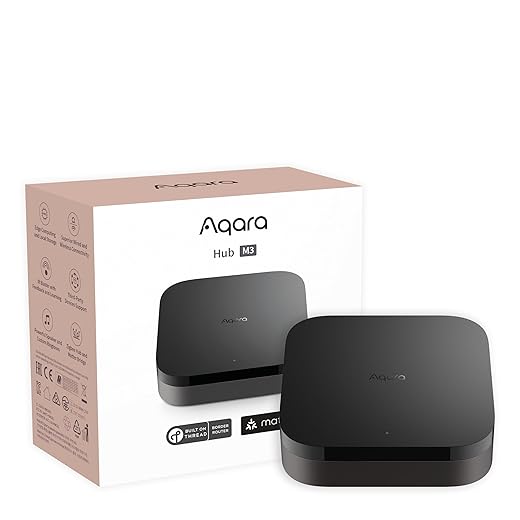
Thread does the same low-power mesh trick with two modern upgrades: devices speak internet-native language (IPv6) directly, and there’s no proprietary hub, just a border router you probably already own inside a HomePod, Echo, or Nest Hub. Pair it with Matter and you get gear that works across Apple, Google, Amazon, and Samsung without the compatibility roulette.
In 2026 the Thread device catalog finally looks like a real catalog instead of a promise. New sensors and locks increasingly ship Thread-first. If you’re starting fresh today, this is the lane.
So Which One Do You Actually Buy?
Starting from zero in 2026: Thread + Matter gear first, no contest. Future-proof, hub-light, and platform-agnostic.
Already invested in Hue or Aqara: Stay the course. Zigbee isn’t going anywhere, the gear is cheap and plentiful, and both companies are bridging into Matter anyway. Mixing Zigbee and Thread in one house is completely fine. I do it, and the protocols never even notice each other.
Big property, detached buildings, or security focus: Z-Wave earns its premium. Range and reliability are its whole personality.
Cameras and video doorbells: None of the above. Video needs bandwidth, and bandwidth means WiFi. That’s the correct tool, just budget your router accordingly.
The Part Everyone Overthinks
Here’s the secret: protocol purity doesn’t matter anymore. A modern smart home runs Zigbee bulbs, a Z-Wave lock, Thread sensors, and WiFi cameras side by side, coordinated by whatever platform you picked, and it all just works. The protocols are plumbing. You don’t pick a house based on the brand of pipe in the walls; you just avoid the house with no pipes at all.
Buy devices that fit your platform, prefer Thread/Matter when prices are close, lean Zigbee when the budget’s tight, call Z-Wave for the long-range jobs, and save WiFi for the bandwidth hogs. That’s the entire cheat sheet. Now go automate something your family will actually thank you for.



