
Every smart home article ever written opens the same way: you walk in the door, the lights fade up, the thermostat hits 71, and some unseen intelligence queues your favorite playlist. Lovely. What those articles skip is the part where you’re standing in the smart home aisle wondering why there are four different things all calling themselves a “home assistant” and none of them explaining what they actually do.
So let’s fix that. No fluff, no fifteen-paragraph wind-up. Here’s what a home assistant actually is, the flavors it comes in, and how to pick the brain that runs your house.
One Term, Three Different Things
When people say “home assistant,” they usually mean one of three things, and the confusion between them is responsible for a lot of returned Echo Dots.
The voice assistant. Alexa, Google Assistant, Siri. The thing you talk to. It sets timers, answers questions, and turns stuff off when you yell at it from the couch. This is the front desk, not the brain.
The hub. The actual coordinator. It speaks the wireless languages your devices use (Zigbee, Z-Wave, Thread, WiFi), holds your automations, and keeps the whole operation running when your internet hiccups. Sometimes it’s a dedicated box, sometimes it’s baked into a smart speaker.
The platform. The ecosystem gluing it all together: Amazon Alexa, Google Home, Apple Home, Samsung SmartThings, or the DIY heavyweight Home Assistant (yes, an entire platform had the nerve to name itself the generic term, which helps nobody).
The thing you’re really choosing is the platform. The speaker is just the doorbell.
A Quick Word From 1975
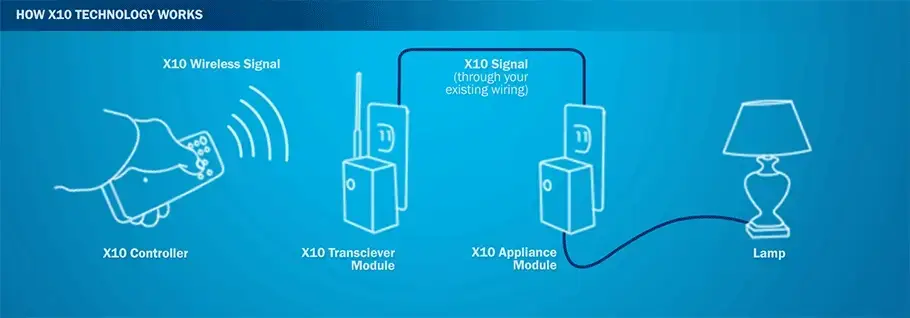
Home automation isn’t new. X10 was doing this over your house’s powerline wiring back when 8-tracks were still a defensible purchase. It was slow, it was flaky, and turning on a lamp felt like sending a telegram. The reason it never took over is the same reason half the smart gadgets in your junk drawer never took over: it made life more complicated, not less.
That’s the bar a home assistant has to clear. Not “can it do a thousand things” but “does it make the house simpler to live in.” Keep that test in mind through everything below.
The Big Four, Honestly Ranked by Who They’re For
Amazon Alexa: The Crowd Favorite
The biggest device catalog, the cheapest entry point, and the most forgiving setup. If a gadget exists, it almost certainly works with Alexa. The trade-off is that Amazon would very much like Alexa to be a shopping terminal, and the platform’s privacy track record invites some side-eye. For a starter setup or a rental, it’s hard to argue with. Readers consistently tell me the Echo ecosystem is the easiest one to get non-technical family members using without a training seminar.

Google Home: The Smart One, Asterisk Included
Google Assistant still answers random questions better than anyone. But the platform has been through real turbulence since Google started swapping Gemini into the pipeline, and longtime users have watched working setups get weird overnight. I wrote up the whole saga and the escape routes in my Google Home alternatives guide. Proceed with eyes open.

Google Smart Display 7” Touchscreen Speaker
Apple Home: The One I Actually Run
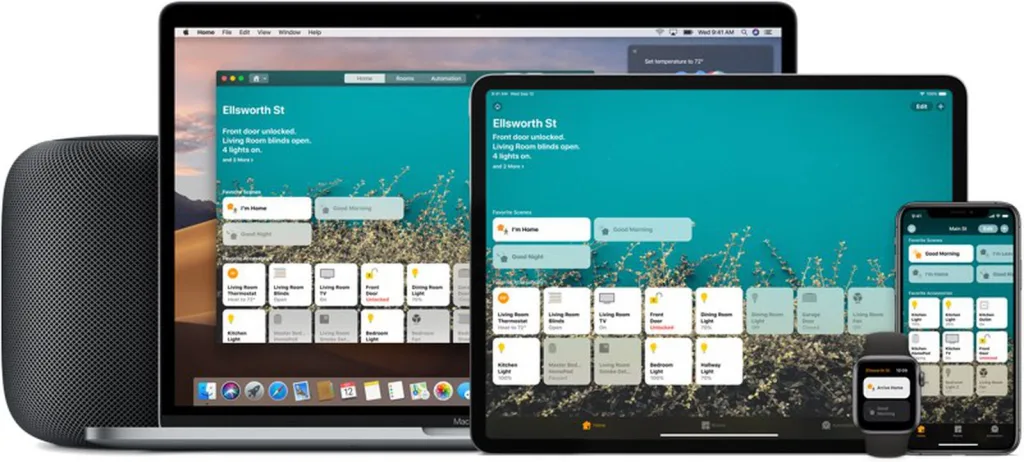
Full disclosure, this is my house’s brain, so judge accordingly. Apple Home (HomeKit, to those of us who refuse to update our vocabulary) has the smallest device list of the big platforms and the strictest certification process. That used to be a real limitation. With Matter maturing, the device gap has narrowed a lot, and what you get in exchange is the best privacy posture in the business and automations that run locally instead of phoning a data center in Virginia. If your household is already iPhone-based, it’s the lowest-friction choice. A HomePod mini or Apple TV quietly serves as your hub and you may never think about it again.

Apple HomePod mini - White
Home Assistant: The Enthusiast’s Endgame
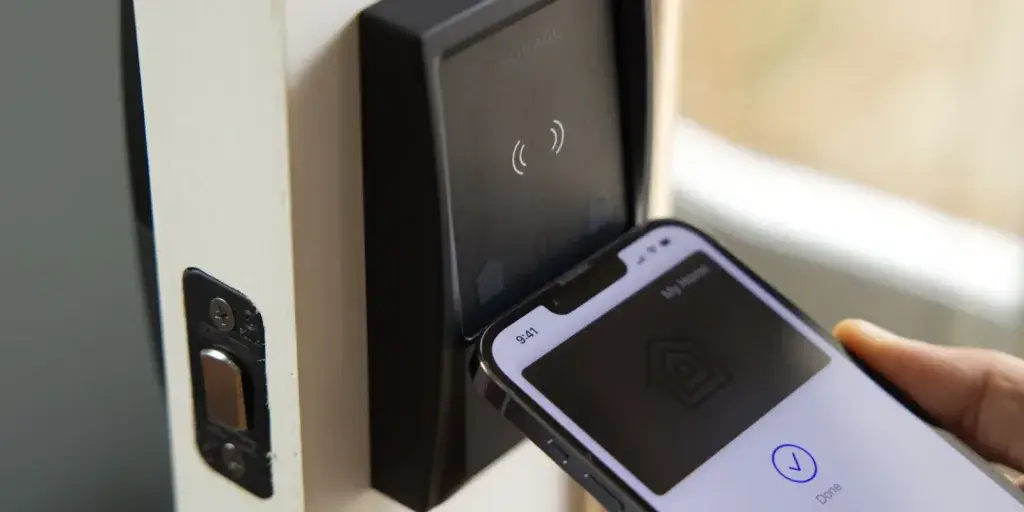
The open-source platform that runs on a little box in your closet, talks to practically everything ever manufactured, and answers to no corporation. It is also, and I say this with love, a hobby. The community is fantastic, the capability ceiling doesn’t exist, and the learning curve will absolutely eat a few weekends. People in r/homeassistant describe the moment it clicks like a religious experience. If you’re the type who flashes router firmware for fun, start here. If you just want the porch light on at sunset, maybe don’t.
The Money-Is-No-Object Tier
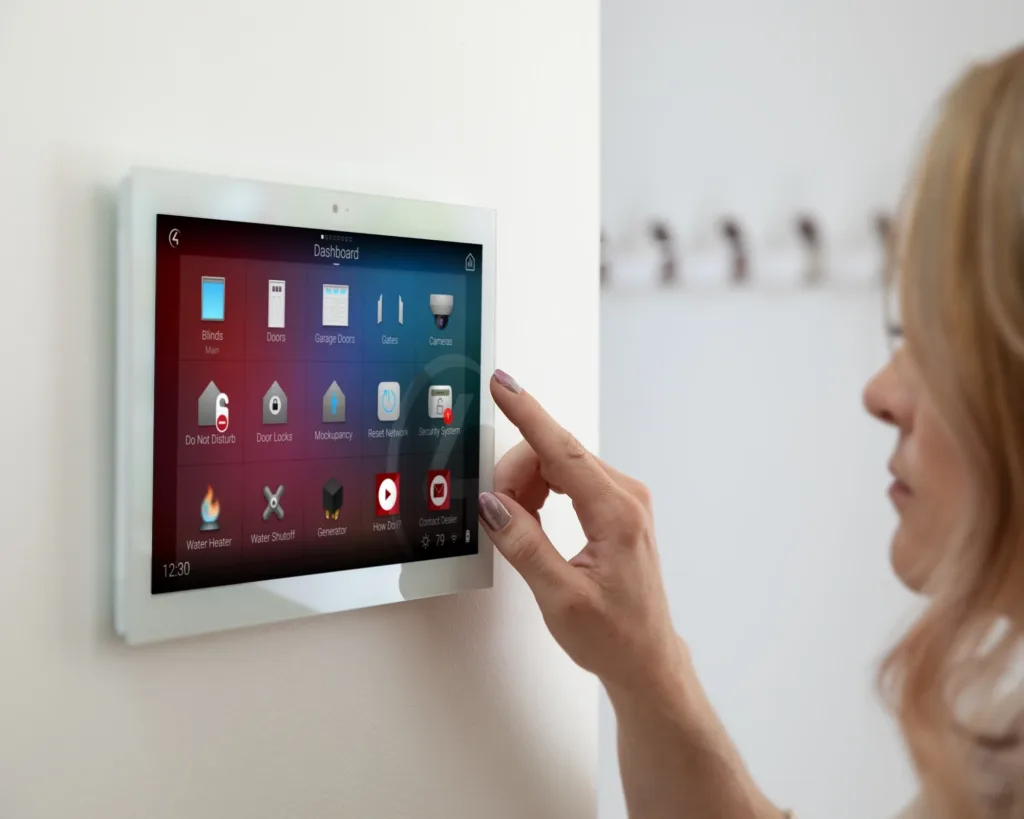
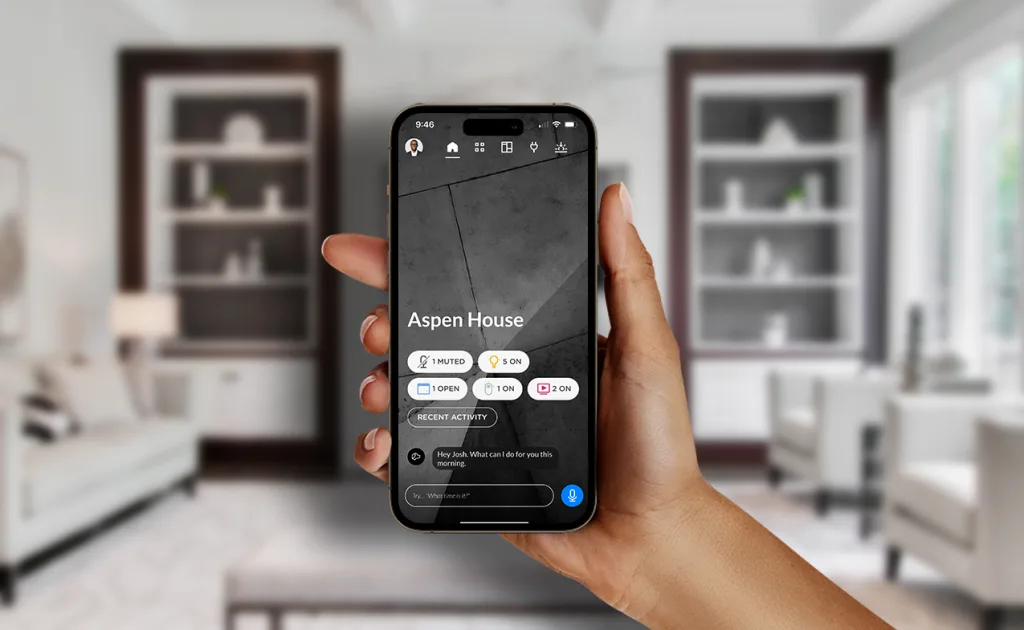
Above the DIY world sits the professionally installed stuff: Control4, Crestron, Savant, and the AI-first newcomer Josh.ai. These systems get designed for your house specifically, installed by a dealer, and serviced like a luxury car. They are genuinely excellent and genuinely expensive, typically five figures before the speakers go in. If you’re building a home or doing a gut renovation, they’re worth a conversation. I covered who does what in my home automation companies roundup.
How to Actually Pick
Skip the spec sheets. Answer these instead:
What phones live in your house? An iPhone household fighting Alexa, or an Android family wrestling Apple Home, is friction you’ll feel daily. Go with your grain.
Who else has to use it? If your partner or kids can’t operate the lights without an instruction card, you built it wrong. The best platform is the one your least-technical family member never notices.
How do you feel about microphones reporting to ad companies? Be honest. If the answer is “not great,” Apple Home and Home Assistant are your shortlist.
Do you want a project or an appliance? Home Assistant is a project. The rest are appliances with different warranty cards.
The 2026 Cheat Code: Buy Matter, Stay Flexible
Here’s the good news that didn’t exist a few years ago: Matter compatibility means a growing share of new devices work with every platform above. Buy Matter-certified gear and your hub choice stops being a life sentence. Pick the brain that fits your household today, knowing you can transplant it later without re-buying every bulb in the house.
That’s the whole game. The house should cater to you, not the other way around. Start with the platform that matches your phones and your privacy comfort level, add devices slowly, and resist the urge to automate things nobody asked to be automated. Your move.



