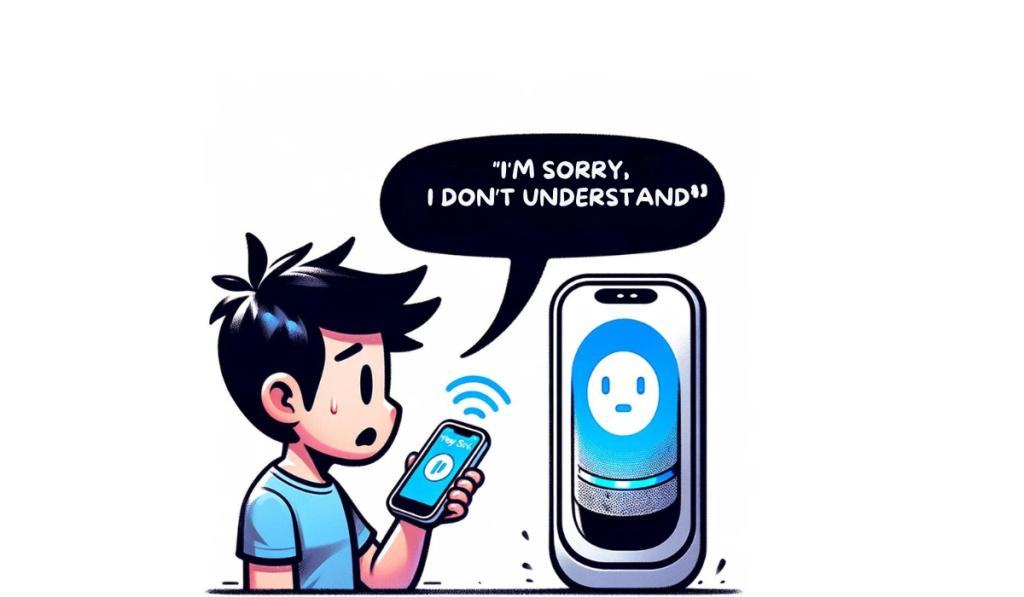
Voice assistants are the one smart home feature everybody in the house ends up using, including the people who claim they hate the smart home. Nobody opens an app to turn off the kitchen lights when their hands are covered in chicken grease. They just say it. That’s the whole pitch, and it works.
What the pitch leaves out is that the voice assistant you pick for your smart home quietly decides which devices you can buy for the next five years. So before you put a speaker in every room, it’s worth knowing what each one does well and where they fight you.
The Big Three (and the One Nobody Picks)
Alexa is the Swiss Army knife. It works with more devices than anything else, which makes it the safe call for a house full of mixed brands collected over the years. Amazon also rebuilt it around an AI model recently, so it handles normally-phrased requests much better than the old robot that needed exact magic words.

Google Assistant is mid-transformation into Gemini, and the forums are full of people with feelings about that. When it works, the conversational smarts are the best of the bunch. If you’re already invested and frustrated, I wrote up the escape routes from Google Home separately.

Google Nest Hub Max 10" Smart Display Assistant Voice Control, Built-in Camera, Wi-Fi, Bluetooth, Smart Home Hub, Stereo Speakers, Gesture & Video Calling –...
Siri is what we run, because our house is a HomeKit house. It is the most private of the three by a wide margin, and within Apple’s walls it’s reliable in the way a light switch is reliable. The trade: a smaller device catalog and a voice assistant that improves on Apple’s famously unhurried schedule. If you’re all-in on Apple anyway, HomeKit is a genuinely good home for it.

Apple Homepod - White (2nd Generation 2023)
Bixby exists. Unless your house is a Samsung showroom, that’s all you need to know.
What Voice Assistants Actually Control Well
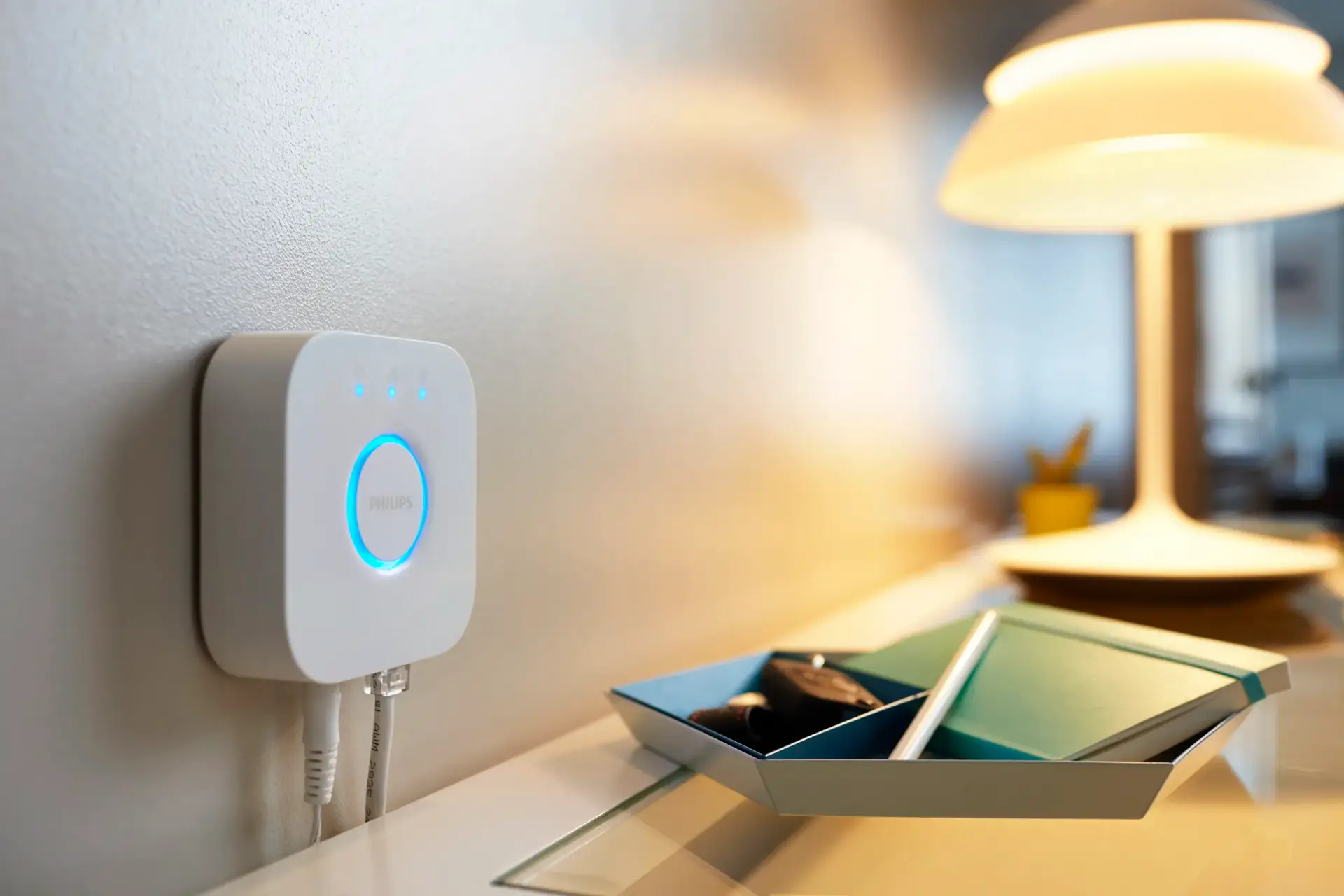
Lights are the gateway. “Turn off the family room lights” is, by a comfortable margin, the most-used command in our house. Philips Hue and LIFX both behave well with every assistant; if you’re starting from zero, a Hue starter kit is the boring, correct answer.
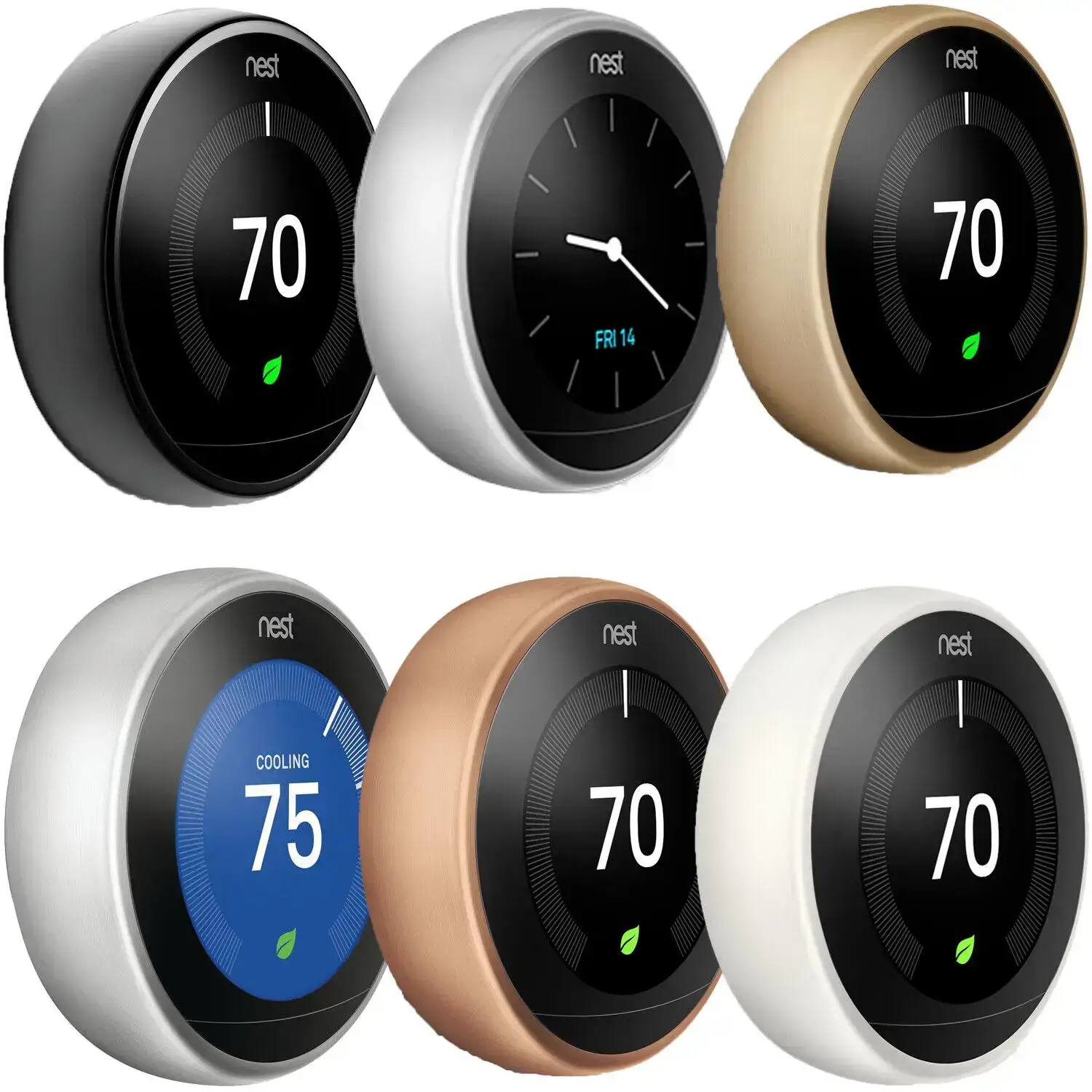
Thermostats are the sleeper hit. Asking for two degrees warmer from under a blanket sounds lazy because it is, and I regret nothing. Nest leans Google, ecobee plays nicely with everyone including HomeKit.
Security gear works by voice too, with limits on purpose. Ring and SimpliSafe users can check cameras and arm the system by voice, but disarming usually requires a PIN or the app, which is exactly how it should be. Readers who run self-monitored setups report the voice layer is convenience, not core.
Motorized shades are the luxury item that converts skeptics. Lutron’s Serena shades pair with the same rock-solid system I reviewed here, and Hunter Douglas PowerView covers the designer end.

Setup Is the Easy Part Now
The honest version of the setup guide is short: download the assistant’s app, add your devices, follow the prompts. The apps have gotten good at this. The advice that actually matters comes after.
Name devices like a human being. “Kitchen Lights” gets used; “TP-Link Smart Bulb 2” gets you standing in a dark kitchen negotiating with a speaker. Group devices by room so “turn off the basement” means something. And put devices in the right rooms in the app, because the assistant uses that to guess what “the lights” means when you ask from the hallway.
Routines: Where Voice Stops Being a Parlor Trick
A single voice command replacing a single tap is mildly useful. A single command running six things is when the house starts feeling smart. Our movie night scene dims the lights, closes the shades, and gets the TV ready off one phrase, and it has survived years of family use without complaint, which is the highest certification I can offer.
Build the routine in the assistant’s app: pick the trigger (a phrase, a time, an event), stack the actions, test it once. Morning routines that ease lights up and read the weather while coffee brews are the classic starting point. I keep a running list of the automations that actually save time if you want proven material to steal.
And once routines click, the next level is letting the house run them without being asked at all. That’s a platform decision more than a voice decision, and I covered it in the AI-powered smart home guide.
Where Voice Fights You
Fair warning on the failure modes, because they’re predictable. Two devices with similar names will make the assistant pick wrong or ask clarifying questions like a confused waiter. A speaker two rooms away will sometimes answer instead of the near one. Kids discover they can command the house roughly four minutes after the first speaker is installed, so decide early what voice purchasing and door unlocking should require.
The realistic frame: voice assistants in a smart home are for one-shot commands when your hands are busy. Schedules and sensors should handle everything that happens every day. Get that split right and the assistant earns its counter space; get it wrong and you become a person who argues with a cylinder.
If you want a deeper toolbox for tying brands together, a hub like SmartThings or Hubitat fills the gaps, and IFTTT still glues the weird stuff together.



