The smart home world isn’t what it used to be, and honestly, that’s fantastic news for all of us.
Remember when setting up a smart home felt like choosing sides in some kind of tech war? You were either Team Amazon, Team Google, or Team Apple, and heaven help you if you wanted devices from different camps to actually work together. Those days are fading fast, and it’s about time.
Matter has finally started delivering on its promises. Sure, it took longer than anyone wanted, but now we’re seeing real results. Apple’s HomeKit is playing nicer with others, Google and Amazon are embracing more open standards, and even the premium players are finding ways to work within the broader ecosystem.
What really matters now? Three things have risen to the top: ease of use (because nobody should need a computer science degree to turn on their lights), ecosystem compatibility (your devices should be teammates, not rivals), and reliability (smart homes should solve problems, not create them).
This guide is for everyone – homeowners planning their dream setup, renters who can’t drill holes in walls, complete beginners who’ve never owned a smart bulb, and DIY enthusiasts ready to automate everything that moves. Let’s dive into who’s actually worth your time and money in 2026.
Our 2026 Smart Home Company Rankings
1. Home Assistant
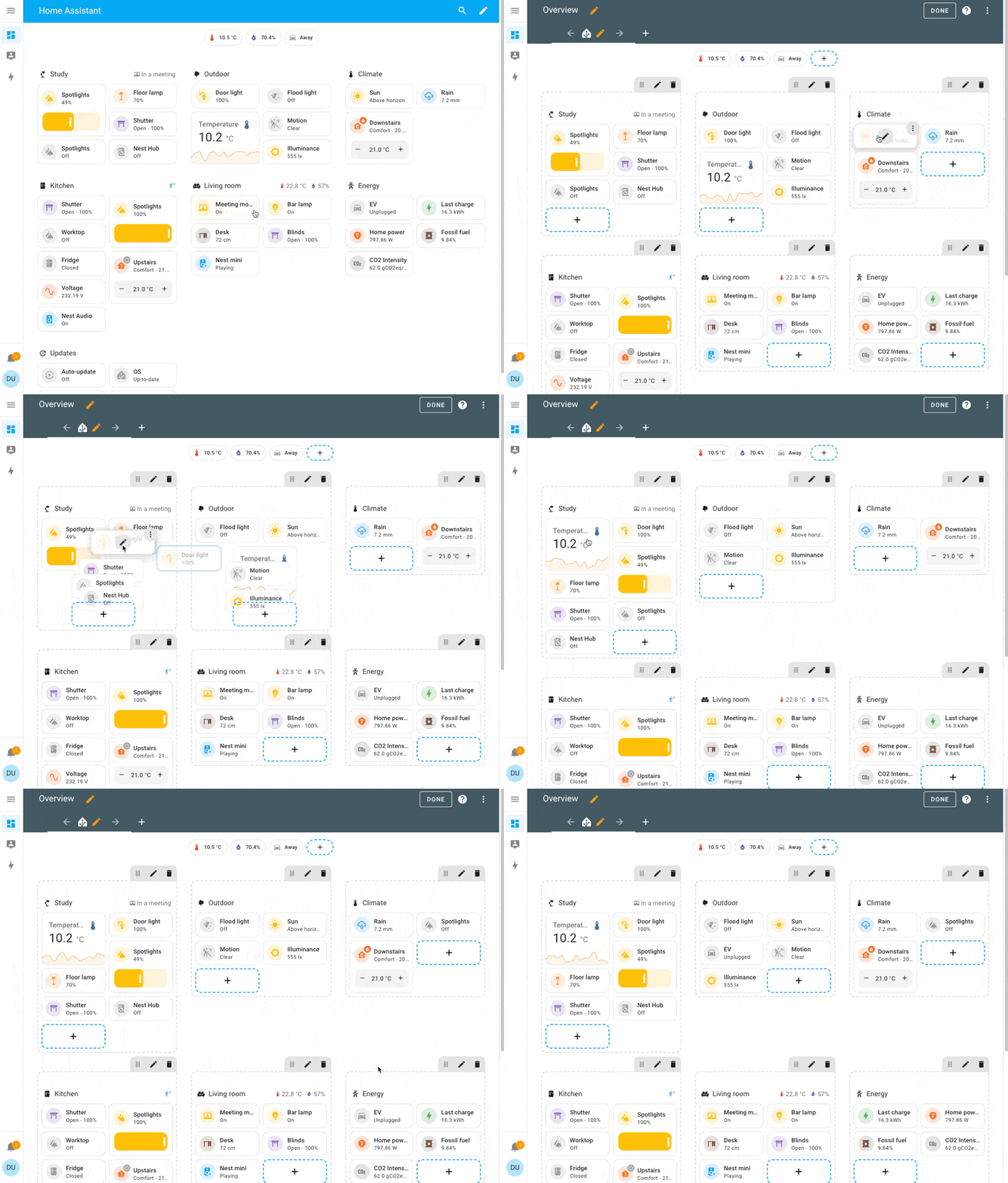
The Tinkerer’s Paradise
If you’re the type of person who enjoys spending weekends diving into technical projects, Home Assistant is your new best friend. Current or former engineers, control freaks, and anyone who loves tinkering will find this platform absolutely addictive. Think of it as the ultimate smart home platform for people who want complete control and aren’t afraid to get their hands dirty.
Best for: Tech enthusiasts, privacy advocates, and anyone building complex automation setups
Ecosystem: Works with virtually everything – Zigbee, Z-Wave, Matter, Wi-Fi devices, and hundreds of integrations
The Good:
- Complete local control means no corporate overlords deciding your smart home’s fate
- Device compatibility that puts everyone else to shame
- Automation capabilities that border on magical once you learn them
- Your data stays in your house, period
- Community support that actually cares about helping
The Reality Check:
- Learning curve steep
- You’ll need dedicated hardware and patience
- Initial setup can take weekends, not minutes
Bottom Line: If you love projects and want the most powerful smart home possible, this is your platform. If you just want lights that turn on when you say so, keep scrolling.
2. Aqara
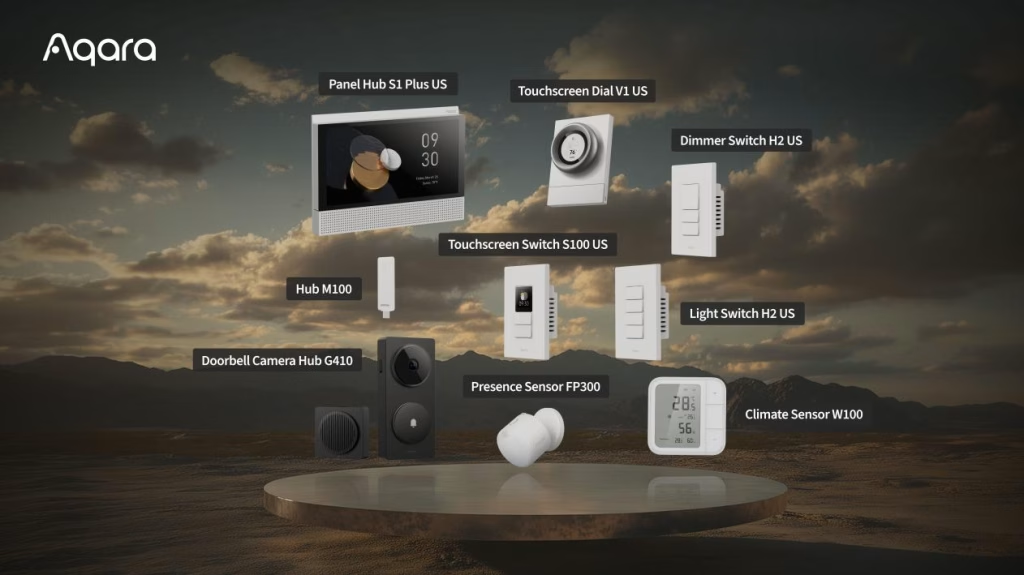
The Smart Money Choice
Aqara snuck up on everyone and became one of the best smart home companies without much fanfare. They embraced Matter faster than companies ten times their size, and their prices won’t make you question your life choices.
Best for: Sensors galore, security setups, lighting control, and Apple users
Ecosystem: Excellent Matter support, loves Apple HomeKit, plays well with most platforms
The Good:
- Your wallet will thank you
- Matter adoption that puts bigger companies to shame
- Perfect for renters (mostly wireless everything)
- Sensors for literally everything you can think of
- Build quality that doesn’t feel cheap
The Not-So-Good:
- Don’t expect smart refrigerators or washing machines
- Some cool features need their hub
- Customer service can be hit-or-miss
Bottom Line: Best value in smart homes right now. Great sensors, reasonable pricing, and they actually care about making devices work together.
3. Apple Home (HomeKit + Matter)
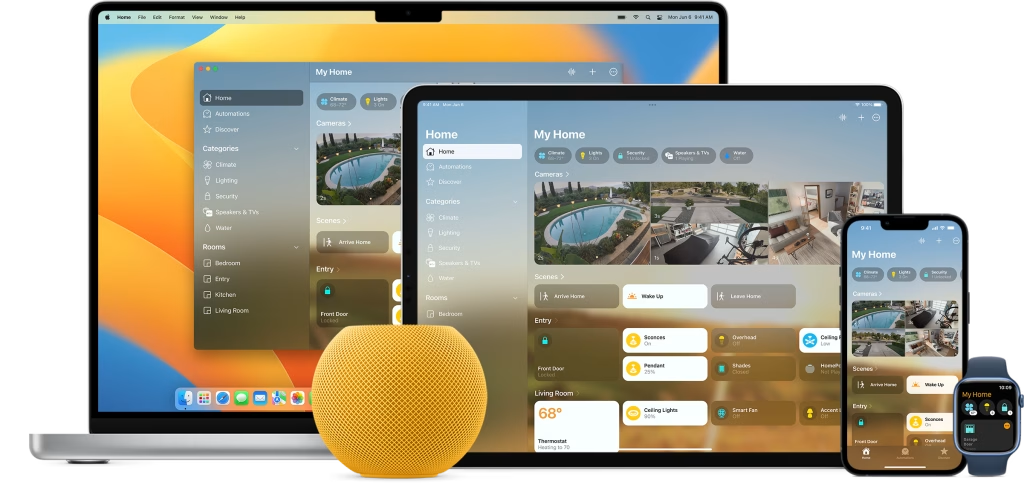
Privacy Meets Simplicity
Apple Home has quietly become really good. If you’re already carrying an iPhone everywhere, this platform makes sense in ways that’ll surprise you. The privacy angle isn’t just marketing fluff either.
Best for: Apple households wanting things to just work
Ecosystem: Strong Matter support, all HomeKit devices, growing third-party options
The Good:
- Privacy that actually means something
- Integration with your iPhone that feels natural
- Interface so clean it makes other apps look cluttered
- Automation that ties into your existing Apple habits
- Local processing keeps things snappy
The Downsides:
- Device selection still smaller than competitors
- You’re pretty much locked into Apple-land
- Premium pricing extends to compatible devices
Bottom Line: If you’re already Team Apple, this is the smart home platform that’ll feel most natural. Everyone else might find it limiting.
4. Google Home / Nest
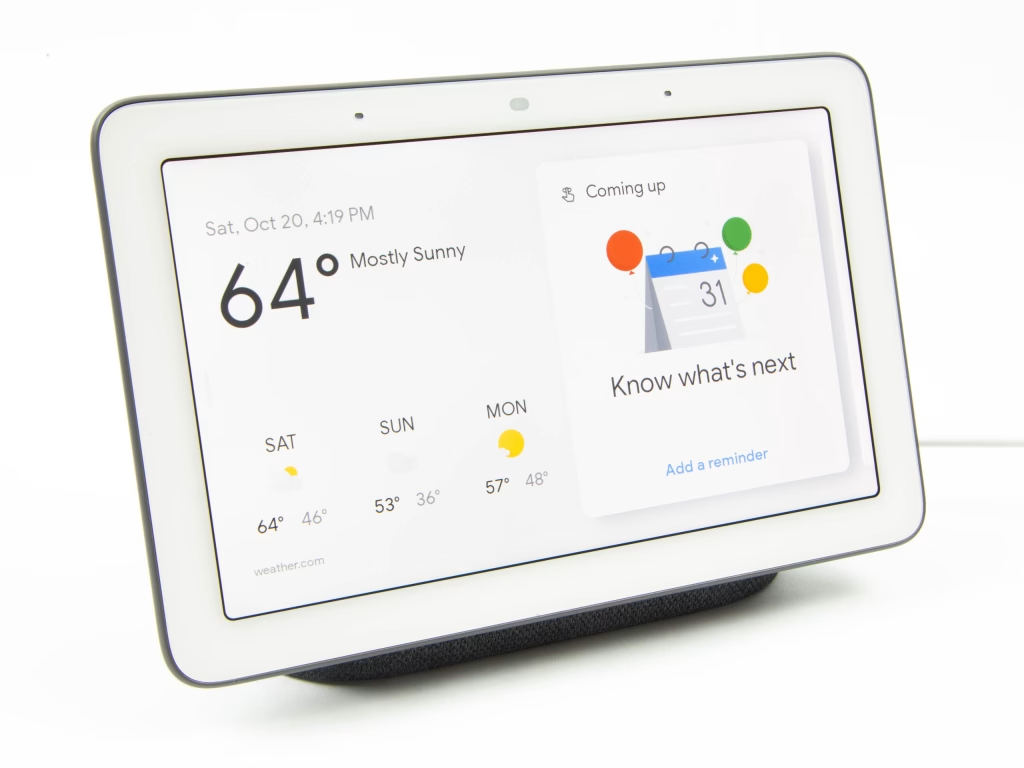
The Goldilocks Platform
Google Home hits that sweet spot between powerful and approachable. It’s sophisticated enough for serious automation but won’t overwhelm someone setting up their first smart bulb.
Best for: Android users, renters, and smart home newcomers
Ecosystem: Solid Matter support, huge device selection, voice control that actually works
The Good:
- Setup process that doesn’t require an engineering degree
- Voice recognition that understands what you actually meant to say
- Google Routines are surprisingly powerful
- Works with pretty much everything
- Entry-level devices won’t break the bank
The Trade-offs:
- Google knows a lot about your daily routine (privacy concerns)
- Feature bloat can make simple tasks complicated
- Some advanced automation requires creative workarounds
Bottom Line: Great all-around choice that grows with you. Just remember Google’s business model involves knowing everything about you.
5. Amazon Alexa
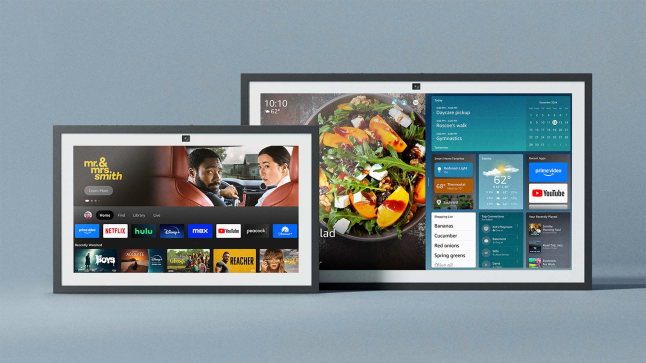
The Device Compatibility Champion
Alexa still has the biggest toy box. If you want to control some obscure smart device, chances are Alexa can talk to it. The voice control remains top-notch, even if everything else feels a bit dated.
Best for: Voice control lovers, budget builds, and homes with mixed device brands
Ecosystem: Massive device library, improving Matter support, works with everyone
The Good:
- Device compatibility that’s frankly ridiculous
- Voice control and routines that set the standard
- Options for every budget
- Third-party support from every manufacturer
- Automation tools that can handle complex scenarios
The Issues:
- Interface design feels like it’s from 2018
- Always-listening devices make some people uncomfortable
- Matter integration lagging behind newer competitors
- Premium features increasingly require subscriptions
Bottom Line: Still the best choice if you want to control everything by voice or need to work with older smart devices.
6. Samsung SmartThings
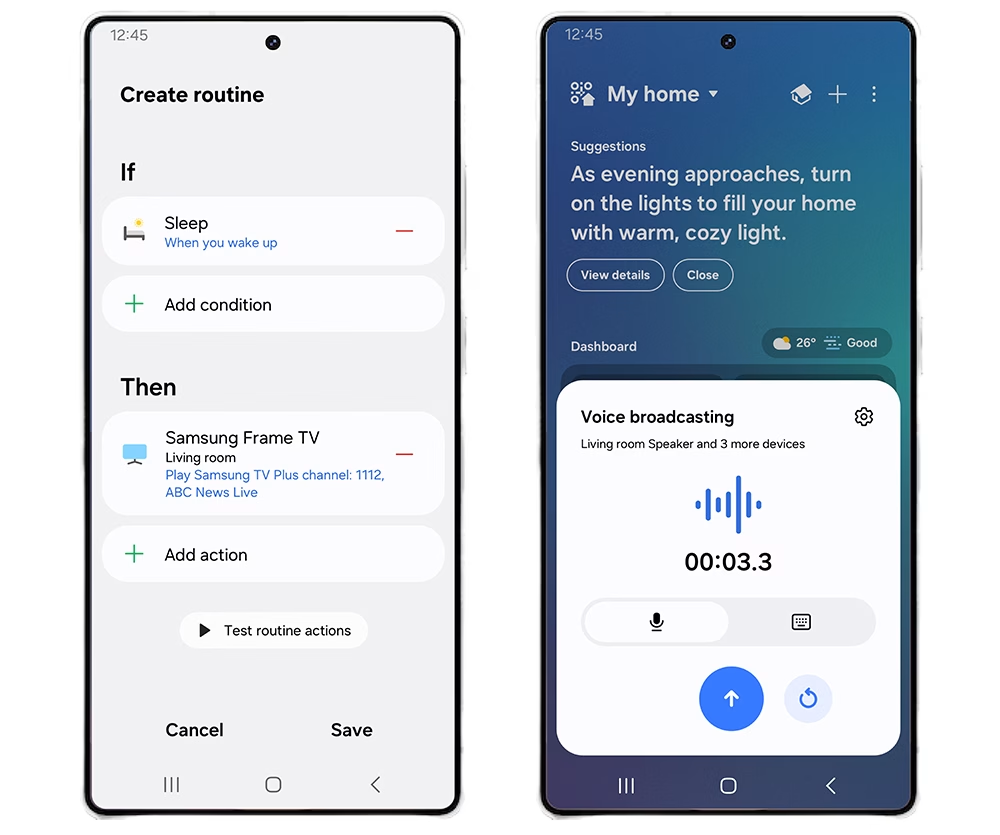
The Comeback Story
SmartThings was a mess for years, but they’ve turned things around. The new app actually works, Matter integration is solid, and if you’re already using Samsung devices, the integration is pretty sweet.
Best for: Samsung device owners and hub-based system builders
Ecosystem: Strong Matter support, excellent Samsung integration, growing third-party options
The Good:
- Mobile app that doesn’t make you want to throw your phone
- Automation capabilities that rival the big players
- Plays nicely with Samsung appliances and phones
- Mix of cloud and local processing
- Reasonable pricing across the board
The Limitations:
- Still requires a Samsung account for everything
- Best features locked behind Samsung device ownership
- Hub dependency for most advanced features
Bottom Line: If you’re already in Samsung’s ecosystem, this makes a lot of sense. Everyone else has better options.
7. Control4
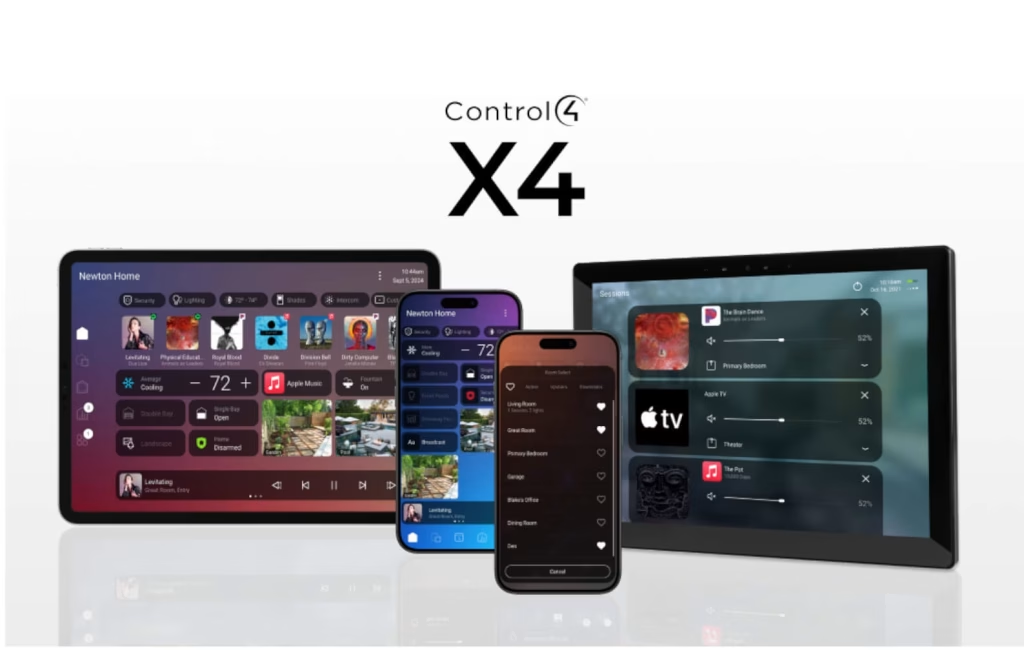
The Luxury Option
Control4 is what happens when money isn’t an issue and you want a smart home that feels like it belongs in a movie. Professional installation, premium integration, and a user experience that justifies the premium pricing.
Best for: High-end installations, whole-home control, and professional projects
Ecosystem: Premium brand focus, selective Matter integration, requires professional setup
The Good:
- Build quality and reliability that’s frankly impressive
- Integration depth that makes other platforms look shallow
- Professional support that actually knows what they’re doing
- Perfect for complex, multi-room systems
- User experience worthy of the premium pricing
The Reality:
- Expect to spend more than a decent used car
- Changes require calling your dealer
- Closed ecosystem limits DIY experimentation
- Renters need not apply
Bottom Line: If you have the budget and want the absolute best, this is it. Everyone else should look elsewhere.
8. Josh.ai
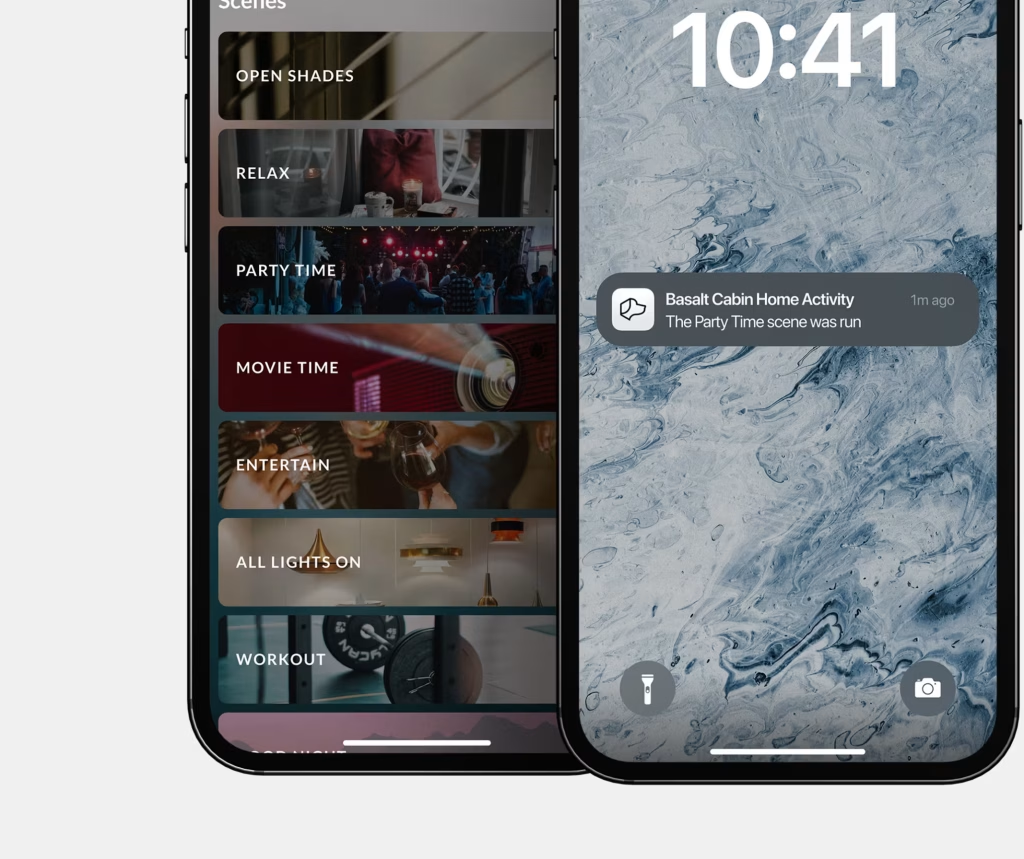
The Voice-First Visionary
Josh.ai bet everything on voice control being the future of smart homes, and they might be right. Privacy-focused, beautifully designed, and genuinely impressive when it works.
Best for: Voice-forward homes, privacy advocates, and design-conscious installations
Ecosystem: Growing but curated device support, premium brand focus
The Good:
- Voice recognition that borders on telepathic
- Privacy approach that keeps your data local
- Interface design that makes other platforms look amateur
- Great integration with high-end audio/video gear
- Professional installation that actually adds value
The Challenges:
- Pricing that’ll make you wince
- Limited device ecosystem compared to mass-market options
- Professional setup requirement
- Still building out broader smart home features
Bottom Line: Impressive technology hampered by high costs and limited compatibility. Great for specific use cases and unlimited budgets.
9. Hubitat
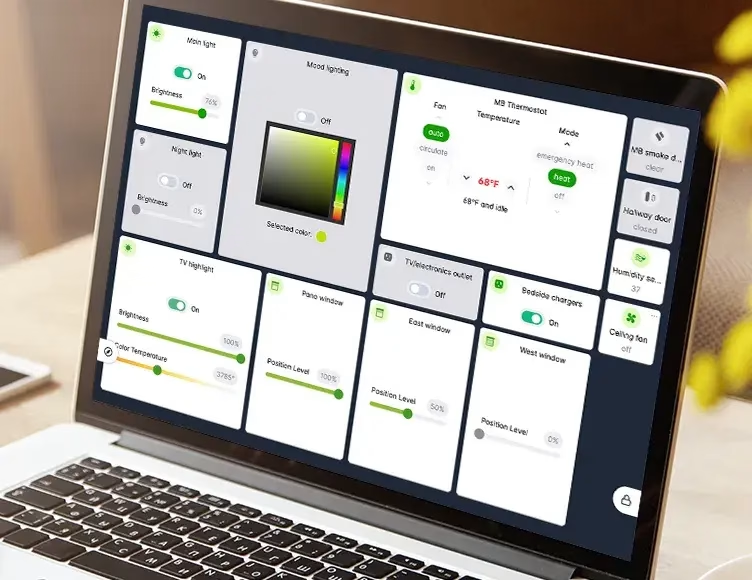
The Local Control Specialist
Hubitat splits the difference between Home Assistant’s complexity and mainstream platforms’ limitations. Everything happens locally, which means fast response times and bulletproof privacy.
Best for: Advanced users wanting local control without the complexity
Ecosystem: Strong Zigbee/Z-Wave support, developing Matter integration
The Good:
- Local processing means lightning-fast responses
- No monthly fees or cloud dependencies
- Automation capabilities that impress
- Solid device compatibility for Z-Wave and Zigbee
- User community that actually helps each other
The Drawbacks:
- Definitely not beginner-friendly
- Mobile app feels basic compared to competitors
- Smaller device ecosystem than mainstream platforms
- Advanced features require technical knowledge
Bottom Line: Great middle ground between DIY complexity and mainstream limitations, but not for everyone.
The Real Talk: Choosing Your Platform
The smart home landscape in 2026 is better than it’s ever been, but that doesn’t mean every option is right for everyone.
Most people starting out should go with Google Home or Apple Home depending on their phone preference. Both are approachable, reliable, and won’t require weekend study sessions. If budget matters or you’re looking to dip your toes in the smart home pool, Aqara devices paired with either platform deliver incredible value.
Tech enthusiasts who enjoy projects should seriously consider Home Assistant for ultimate control. Those wanting professional-grade installations should explore Control4, though your wallet might not thank you.
Here’s the thing about smart homes: the best one is the one you’ll actually use. Start small, figure out what works for your lifestyle, and build from there. The beauty of 2026’s smart home ecosystem is that you’re not locked in forever.
Your smart home should make life easier, not give you another hobby to manage. Choose accordingly, and welcome to the future.



