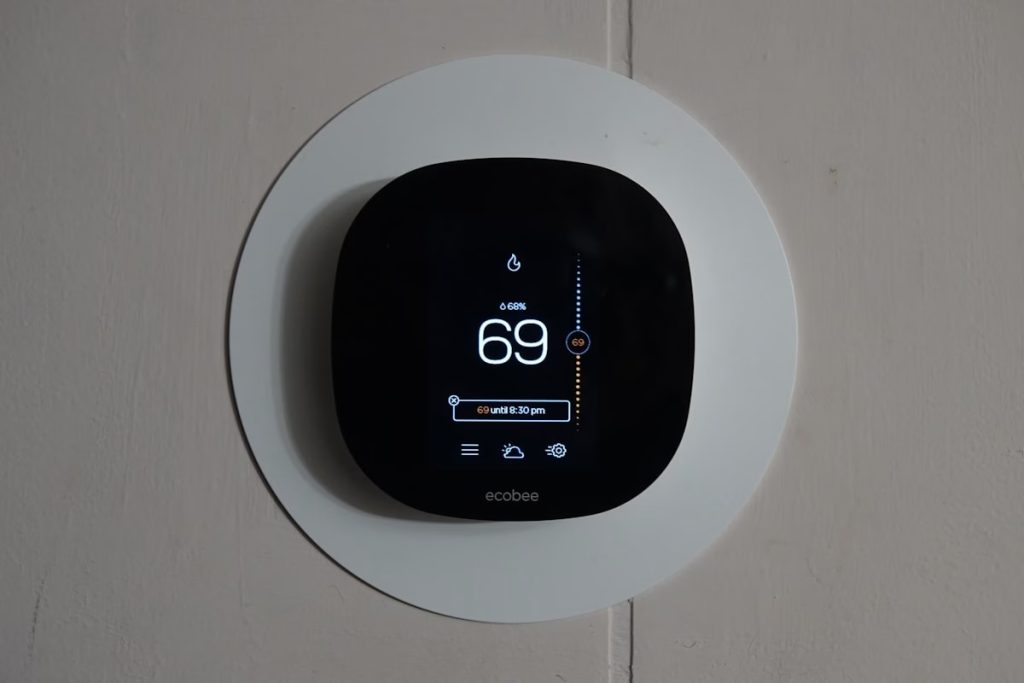
Let’s be honest — your heating and cooling system is probably the biggest energy hog in your house. It can account for nearly half of your total energy bill, which means even a small improvement in how you manage your HVAC can translate into real money back in your pocket. That’s where a smart thermostat comes in.
But here’s the thing: not all smart thermostats are created equal when it comes to actually saving you energy. Some are loaded with flashy features but do little to move the needle on your utility bills. Others quietly learn your habits, optimize your schedule, and pay for themselves within a year.
In this guide, we’ve tested and researched the best smart thermostat for energy savings in 2026. We’ll break down which models deliver real results, explain the features that matter most, and help you pick the right one for your home — whether you’re a total beginner or a seasoned smart home enthusiast.
Table of Contents
- Why a Smart Thermostat Is the Best Energy Investment You Can Make
- What to Look for in an Energy-Saving Smart Thermostat
- Our Top Picks: Best Smart Thermostats for Energy Savings in 2026
- Side-by-Side Comparison Table
- How Smart Thermostats Actually Save You Money
- Installation Tips and Compatibility Checks
- Don’t Forget Utility Rebates
- Frequently Asked Questions
- Final Verdict: Which Smart Thermostat Should You Buy?
Why a Smart Thermostat Is the Best Energy Investment You Can Make
Before we get into specific models, let’s talk about why a smart thermostat deserves to be at the top of your smart home shopping list — especially if saving money is your priority.
According to the U.S. Department of Energy, you can save about 10% per year on heating and cooling simply by turning your thermostat back 7–10°F for 8 hours a day. The problem? Most of us forget to do that. Or we’re too comfortable on the couch to get up and adjust it.
A smart thermostat automates this process. It learns when you’re home, when you’re away, and when you’re asleep — then adjusts the temperature accordingly. Some models use occupancy sensors, geofencing, or even weather data to fine-tune your HVAC usage throughout the day.
The result? You stay comfortable when you need to be, and your system isn’t wasting energy when you don’t. It’s one of those rare upgrades that genuinely pays for itself — often within the first year.
What to Look for in an Energy-Saving Smart Thermostat
Not every smart thermostat prioritizes energy savings the same way. Here are the key features to look for if cutting your bills is your main goal:
Learning Algorithms
Some thermostats — like the Google Nest Learning Thermostat — actually study your behavior over time and build a schedule automatically. This means the thermostat gets smarter the longer you use it, continuously optimizing for efficiency without you lifting a finger.
Occupancy and Room Sensors
Remote room sensors detect whether anyone is actually in a given room. This prevents your system from heating or cooling an empty house. The Ecobee Smart Thermostat Premium does this exceptionally well, using sensors to prioritize the rooms you’re actually using.
Geofencing
Geofencing uses your phone’s location to know when you’ve left the house or when you’re on your way home. It’s a simple but powerful way to avoid wasting energy. Most modern smart thermostats include this feature, but some implement it more gracefully than others.
Energy Reports and Usage Tracking
The best energy-saving thermostats give you detailed reports showing exactly how much energy you’ve used, when peak usage occurs, and where you can improve. Think of it as a fitness tracker for your HVAC system.
Utility Program Compatibility
Many energy companies offer demand-response programs where they can slightly adjust your thermostat during peak grid usage in exchange for credits or rebates. Thermostats that are ENERGY STAR certified and compatible with these programs can unlock extra savings.
Our Top Picks: Best Smart Thermostats for Energy Savings in 2026
1. Google Nest Learning Thermostat (4th Gen) — Best Overall for Energy Savings
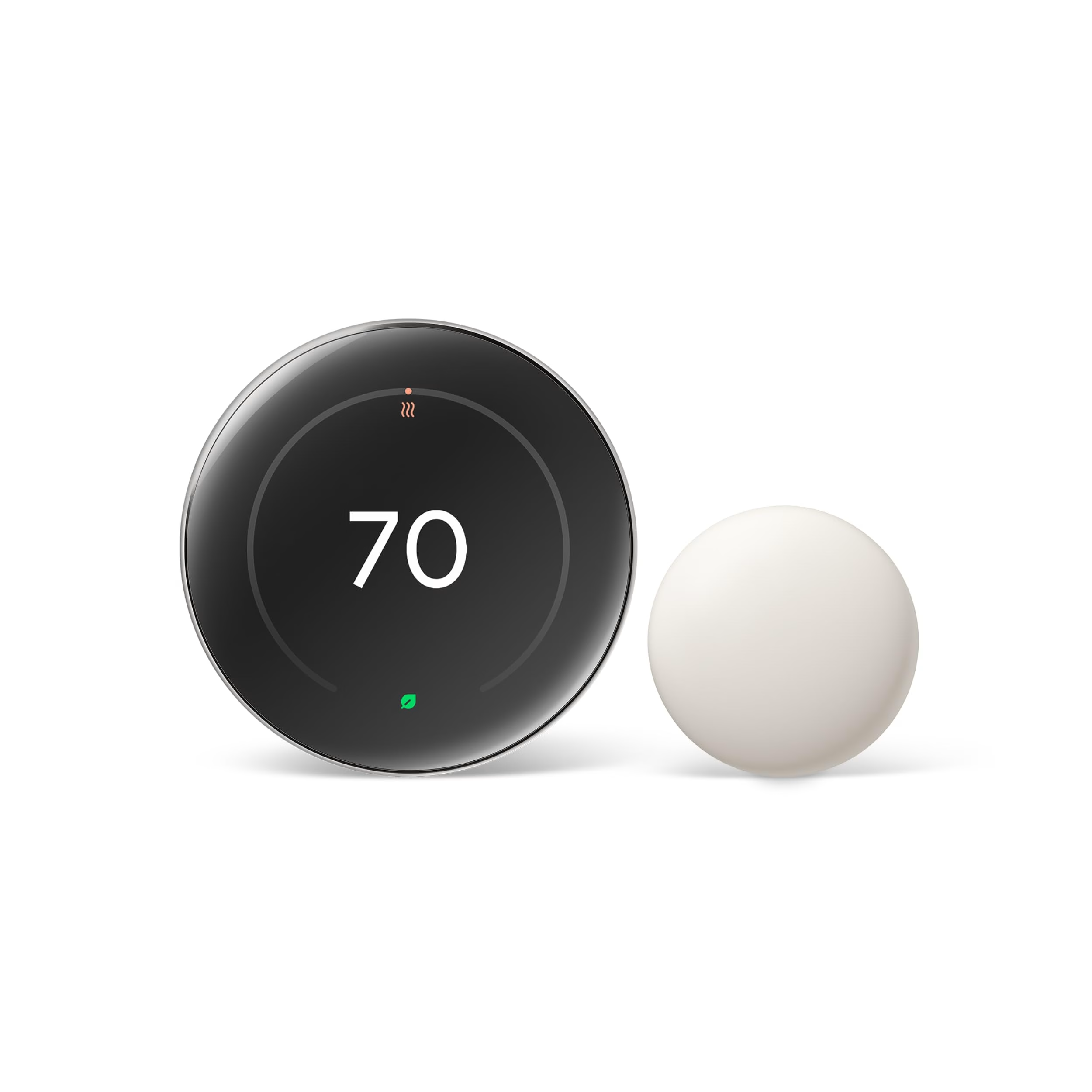
The Nest Learning Thermostat has been the gold standard in smart thermostats for years, and the 4th generation — released in 2024 — is the most refined version yet. It features a sleek, borderless display, improved learning algorithms, and tighter integration with the Google Home ecosystem. What makes it the best smart thermostat for energy savings? Its learning capability is still best-in-class. Within a week or two of use, Nest builds a schedule based on your habits. It knows when you typically leave for work, when you go to bed, and adjusts temperatures automatically.
The “Home/Away Assist” feature uses built-in occupancy sensors and your phone’s location to switch to eco mode when the house is empty. Google claims Nest thermostats save an average of 10–12% on heating bills and about 15% on cooling bills. Independent studies from energy companies have largely backed this up. It works with Google Assistant and Amazon Alexa, is ENERGY STAR certified, and supports room sensors (sold separately). The main tradeoffs are the premium price, no native Apple HomeKit support, and room sensors being an additional purchase.
✅ Best for: Homeowners who want a “set it and forget it” thermostat that learns your routine and optimizes energy use automatically.
⚠️ Keep in mind: No native Apple HomeKit support, and room sensors are sold separately at additional cost.
💰 Price range: ~$250

2. Ecobee Smart Thermostat Premium — Best for Multi-Room Comfort and Savings
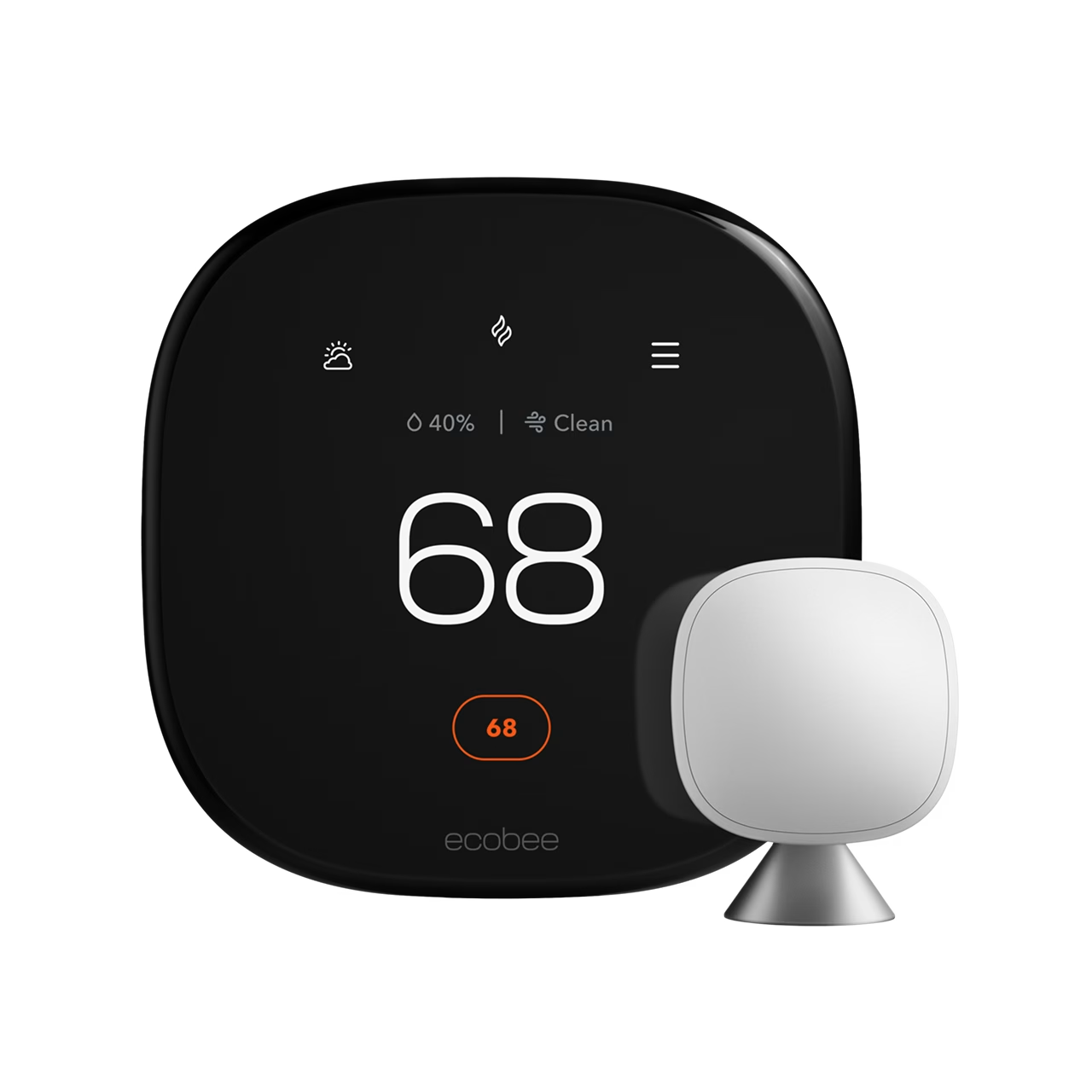
If your home has hot and cold spots — and whose doesn’t? — the Ecobee Smart Thermostat Premium is a standout choice. It comes with a built-in room sensor in the box, and you can add more throughout your home. Instead of just measuring the temperature at the thermostat’s location (usually a hallway), it averages temperatures across multiple rooms to make smarter decisions.
Ecobee also has a feature called “eco+” that automatically makes small adjustments to your schedule based on occupancy patterns, local weather, your utility’s time-of-use rates, and even humidity levels. It’s not as hands-off as Nest’s learning approach — you’ll still set an initial schedule — but it’s incredibly effective at squeezing out extra savings. The Premium model also doubles as a smart speaker and intercom with built-in Alexa, and it includes a built-in air quality monitor. It works with Apple HomeKit, Google Assistant, Amazon Alexa, and SmartThings — the broadest compatibility on this list.
✅ Best for: Larger homes with uneven temperatures, multi-story houses, and anyone who wants the broadest smart home platform compatibility.
⚠️ Keep in mind: Requires more initial setup than Nest, and the touchscreen can be slightly laggy at times.
💰 Price range: ~$220
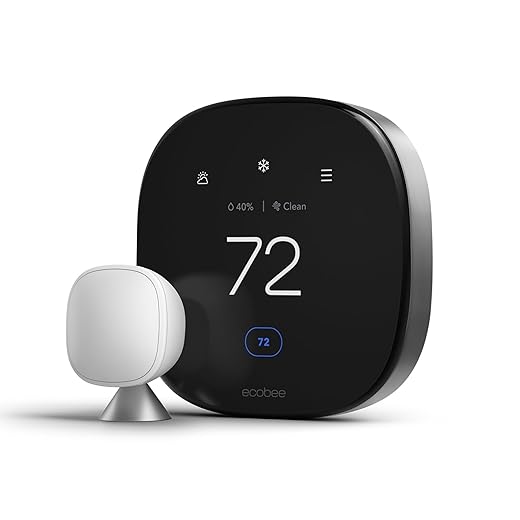
3. Google Nest Thermostat (2024) — Best Budget Pick
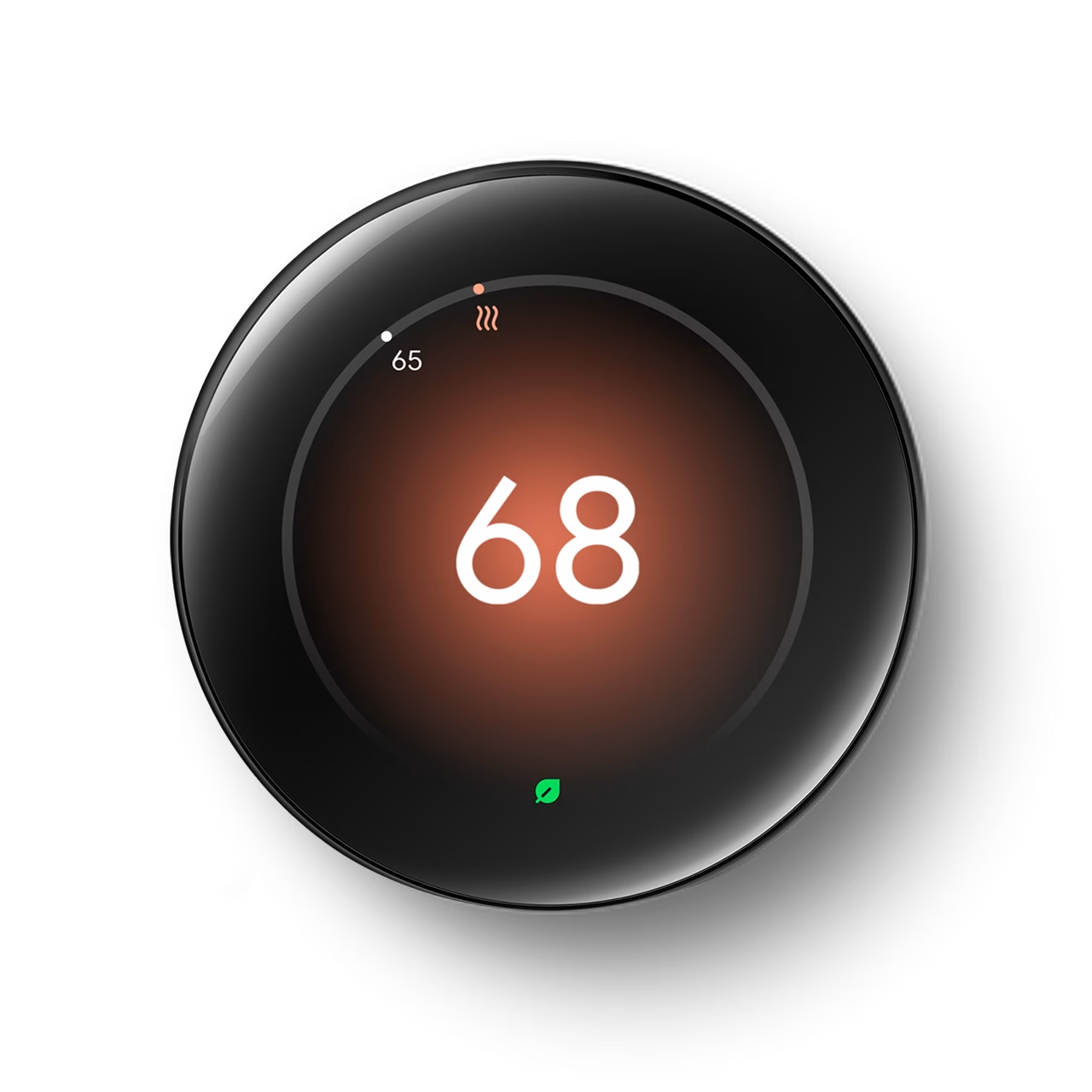
Don’t confuse this with the Learning Thermostat above. The standard Google Nest Thermostat is the more affordable sibling, and it’s a fantastic value for energy savings. At around $130, it costs less than half the price of the premium models on this list — and it still delivers impressive efficiency features. It doesn’t learn your schedule automatically the way the Learning Thermostat does, but it includes “Quick Schedule” suggestions based on your general routine, plus the same Home/Away Assist feature that detects when the house is empty.
It also has a savings estimator that shows you how adjustments would affect your bill before you commit to them. The design is clean and minimalistic — a mirrored face that displays the temperature and blends nicely with most decor. It works without a C-wire in many setups, which is a big deal for older homes. It’s ENERGY STAR certified and works with Google Assistant and Amazon Alexa.
✅ Best for: Budget-conscious homeowners, renters, or anyone who wants solid energy savings without spending $250+.
⚠️ Keep in mind: No true learning algorithm, no room sensor support, and no Apple HomeKit compatibility.
💰 Price range: ~$130

4. Honeywell Home T9 Smart Thermostat — Best for HVAC Compatibility
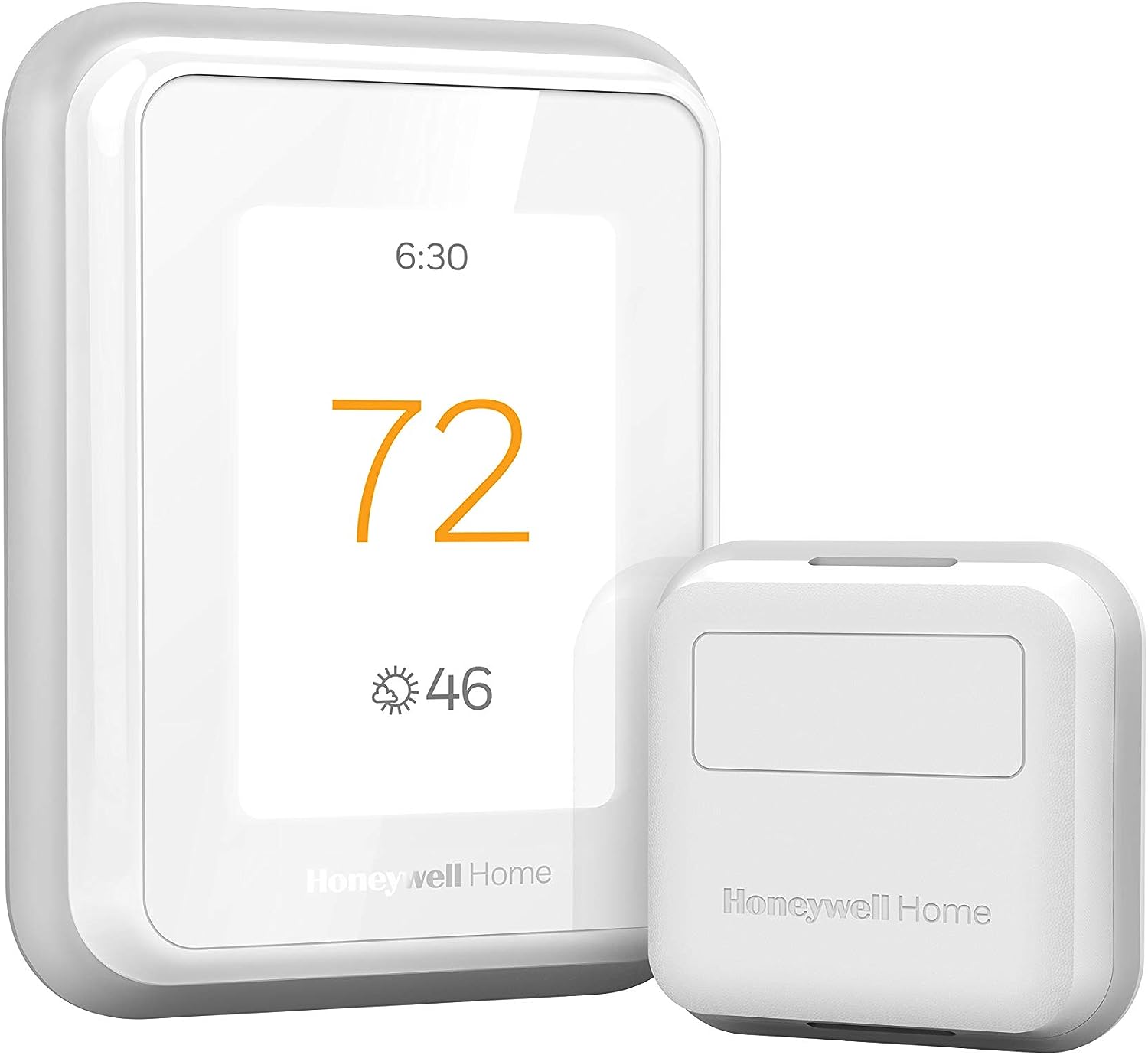
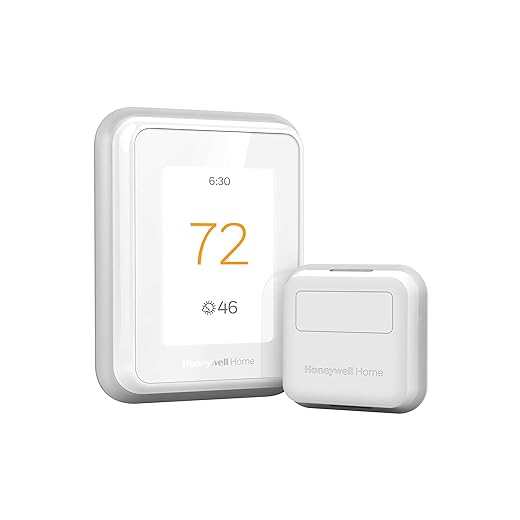
Honeywell has been in the thermostat game longer than anyone, and the T9 brings that HVAC expertise into the smart home era. The T9 supports room sensors for multi-room awareness and uses smart response technology to learn how long it takes your system to reach the desired temperature — so it starts heating or cooling at exactly the right time.
Where the T9 really shines is compatibility. It works with a wider range of HVAC systems than most competitors, including multi-stage systems, heat pumps, and even some commercial setups. If you have an older or unusual HVAC system and other thermostats have compatibility issues, the T9 is worth a serious look. It supports geofencing, flexible scheduling, and works with Google Assistant, Alexa, and SmartThings.
✅ Best for: Homeowners with complex or older HVAC systems who need guaranteed compatibility and reliable energy savings.
⚠️ Keep in mind: The app experience isn’t as polished as Nest or Ecobee, and energy reports are less detailed than competitors.
💰 Price range: ~$170
5. Amazon Smart Thermostat — Best Ultra-Budget Option
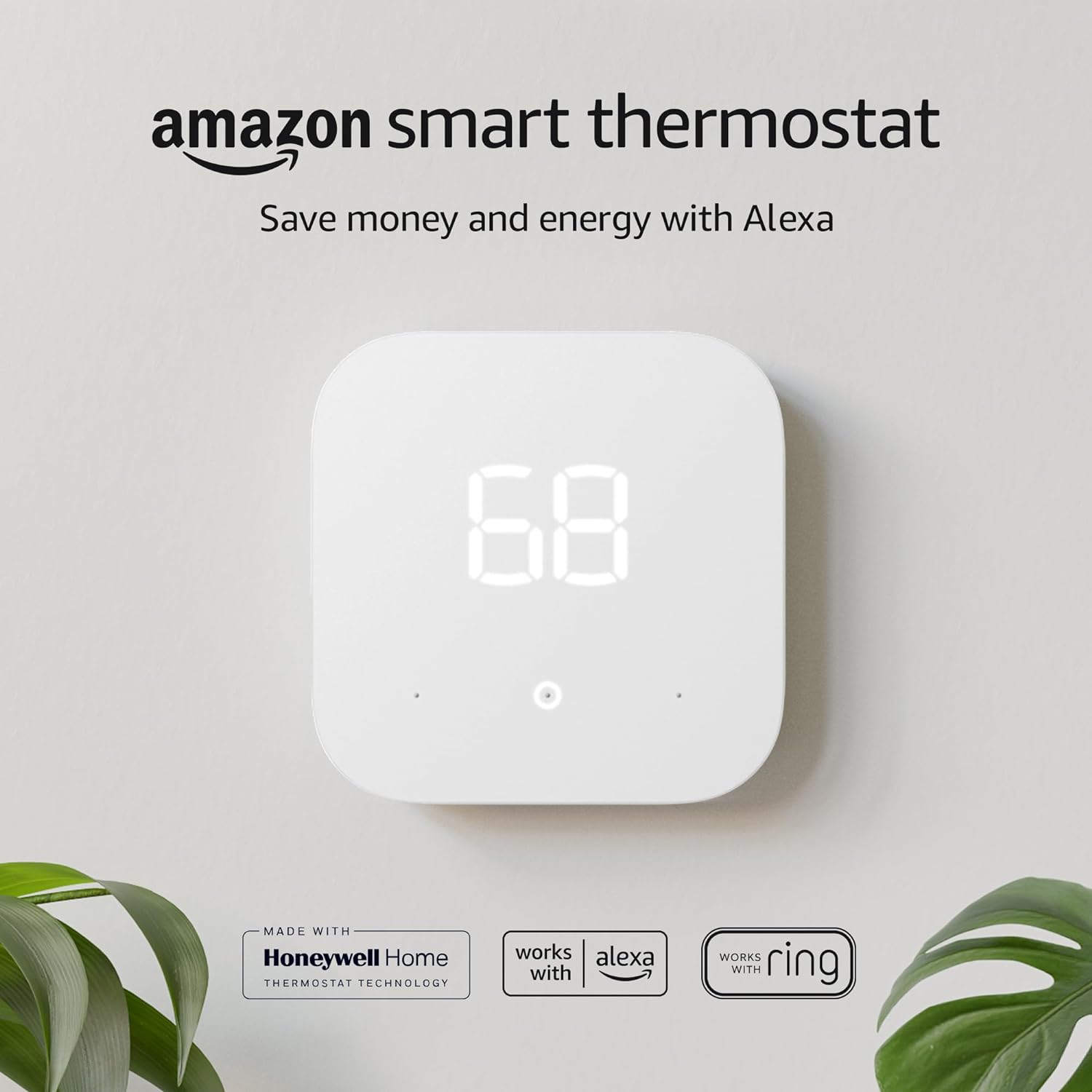
At around $60–$80, the Amazon Smart Thermostat is the most affordable ENERGY STAR certified smart thermostat you can buy. It’s made by Amazon in partnership with Honeywell, so the underlying HVAC technology is solid. It uses Alexa for voice control and integrates tightly with the Amazon ecosystem, including Alexa Hunches — where Alexa automatically adjusts the temperature based on your detected routines.
Let’s be clear: this isn’t going to match the energy savings sophistication of a Nest Learning Thermostat or Ecobee Premium. There’s no learning algorithm, no room sensors, and the energy reports are basic. But for the price, it’s a smart upgrade from a basic programmable thermostat — especially if you’re already invested in the Alexa ecosystem. It’s eligible for many utility rebates, which can bring the effective cost down even further.
✅ Best for: Alexa households on a tight budget who want basic smart thermostat functionality and energy savings without a big investment.
⚠️ Keep in mind: Alexa-only (no Google Assistant or HomeKit), no room sensors, no learning capability, and basic energy reporting.
💰 Price range: ~$60–$80

Side-by-Side Comparison Table
| Feature | Nest Learning (4th Gen) | Ecobee Premium | Nest Thermostat (2024) | Honeywell T9 | Amazon Smart Thermostat |
|---|---|---|---|---|---|
| Price (approx.) | $280 | $250 | $130 | $170 | $70 |
| Learning Algorithm | ✅ Yes | Partial (eco+) | ❌ No | Partial | ❌ No |
| Room Sensors | Sold separately | ✅ 1 included | ❌ No | Optional | ❌ No |
| Geofencing | ✅ Yes | ✅ Yes | ✅ Yes | ✅ Yes | Limited |
| ENERGY STAR | ✅ Yes | ✅ Yes | ✅ Yes | ✅ Yes | ✅ Yes |
| Voice Assistants | Google, Alexa | Alexa, Google, Siri | Google, Alexa | Google, Alexa | Alexa only |
| Apple HomeKit | ❌ No | ✅ Yes | ❌ No | ❌ No | ❌ No |
| C-Wire Required | Recommended | Adapter included | No (many systems) | Yes | Yes/Adapter |
| Energy Reports | Detailed | Very Detailed | Good | Basic | Basic |
| 🏆 Est. Annual Savings | ~$130–$180 | ~$120–$170 | ~$80–$130 | ~$80–$140 | ~$50–$100 |
*Estimated annual savings are based on average U.S. energy costs and will vary depending on your home, climate, energy rates, and usage habits.
How Smart Thermostats Actually Save You Money
It’s worth understanding the how behind the savings so you can maximize them. Smart thermostats cut your energy bills through several mechanisms working together:
Automatic Setback Scheduling
The biggest savings come from running your HVAC less when you don’t need it. Smart thermostats automate what energy experts have been recommending for years: set back the temperature when you’re sleeping or away. A thermostat that detects an empty house at 9:15 AM and shifts to eco mode — instead of waiting for a manually programmed schedule at 10:00 AM — saves energy every single day. Those 45-minute gaps add up over a year.
Optimized Start/Stop Times
Instead of blasting your furnace to get from 62°F to 70°F right when you wake up, smart thermostats learn how long your system takes to reach the target temperature and start earlier — at a lower, more efficient rate. This reduces the energy-intensive “sprint” that older thermostats rely on.
Weather-Responsive Adjustments
Some thermostats pull in local weather data and adjust preemptively. If a warm front is rolling in, the system knows it doesn’t need to heat as aggressively in the morning. If a cold snap is coming, it can pre-heat your home during off-peak energy hours when rates are lower.
Time-of-Use Rate Optimization
If your utility charges different rates at different times of day — and many do — smart thermostats can shift energy-intensive heating and cooling to cheaper off-peak hours. Ecobee’s eco+ feature is particularly good at this.
Installation Tips and Compatibility Checks
Most smart thermostats are designed for DIY installation and take about 30–45 minutes. But there are a few things you should check before buying:
Check Your Wiring
Pull your current thermostat off the wall (gently!) and look at the wires. Most smart thermostats need at least four wires, and many require or strongly recommend a C-wire. If you don’t have one:
- The Ecobee models include a power extender kit that solves this problem
- The Nest Thermostat (standard) can work without a C-wire in many configurations
- You can hire an electrician to run a C-wire for around $100–$150
Confirm System Compatibility
Most thermostats work with standard forced-air systems (gas, electric, oil). Heat pumps, multi-stage systems, and dual-fuel setups require a thermostat that specifically supports them. Both Google Nest and Ecobee have online compatibility checkers on their websites — use them before you buy.
Consider Your Home’s Ecosystem
If you’re heavily invested in Apple HomeKit, the Ecobee is your only real choice among the top picks. If your home runs on Google Home or Amazon Alexa, you have more options. Think about how the thermostat fits into your broader smart home setup, especially if you want to create automations — like having your thermostat adjust when your smart lock detects you’ve left home.
Don’t Forget Utility Rebates
Here’s a money-saving step that a lot of people skip: check for utility rebates before you buy. Many local energy companies offer $50–$100+ rebates for installing an ENERGY STAR certified smart thermostat. Some states and municipalities have additional incentive programs.
All five of the thermostats on our list are ENERGY STAR certified, so they should qualify for most rebate programs. Visit your utility company’s website or check ENERGY STAR’s Rebate Finder to see what’s available in your area.
Between the rebate and the energy savings, a smart thermostat can effectively pay for itself in just a few months — making it one of the highest-ROI upgrades you can make in your home.
Frequently Asked Questions
Q: How much money can a smart thermostat actually save?
A: The exact savings depend on your climate, energy rates, home insulation, and usage habits. However, ENERGY STAR estimates that a certified smart thermostat can save approximately $50 per year on average, with some homeowners reporting savings of $100–$180 per year or more — especially in regions with extreme hot or cold seasons. The more you were previously wasting energy (leaving the heat blasting while away, for example), the more you’ll save.
Q: Is a smart thermostat worth it if I already have a programmable thermostat?
A: Yes, and here’s why: studies show that nearly 40% of homeowners with programmable thermostats never actually program them, and many override the schedule regularly. A smart thermostat removes that friction by automating the process. Even if you’re disciplined about your programming, features like occupancy sensing, geofencing, and weather-responsive adjustments can squeeze out additional savings that a basic programmable thermostat simply can’t match.
Q: Do smart thermostats work without Wi-Fi?
A: Smart thermostats will still function as basic thermostats without Wi-Fi — they’ll maintain your set temperature and follow any locally stored schedules. However, you’ll lose remote control, learning features, energy reports, geofencing, and software updates. For the full energy-saving benefits, a stable Wi-Fi connection is essential.
Q: Which smart thermostat saves the most energy?
A: The Google Nest Learning Thermostat (4th Gen) and Ecobee Smart Thermostat Premium consistently rank at the top for energy savings. Nest’s adaptive learning is ideal for hands-off users, while Ecobee’s room sensors and eco+ features are particularly effective in larger homes with uneven temperatures. Both are ENERGY STAR certified and regularly cited in utility-sponsored studies as top performers.
Q: Can I install a smart thermostat myself?
A: In most cases, yes. If you’re comfortable turning off power at the breaker and connecting labeled wires to matching terminals, you can handle it. Every thermostat on this list includes step-by-step instructions and app-guided installation. The whole process typically takes 30–45 minutes. If your existing wiring looks unusual or you’re unsure about anything, it’s worth the $75–$150 to have a professional handle it — an incorrect installation can damage your HVAC system.



